It’s time to invest in our youngest and those who care for them.
Together, we can guarantee quality care for every child, pay caregivers fairly, and make childcare affordable for families.
Together, we can guarantee quality care for every child, pay caregivers fairly, and make childcare affordable for families.
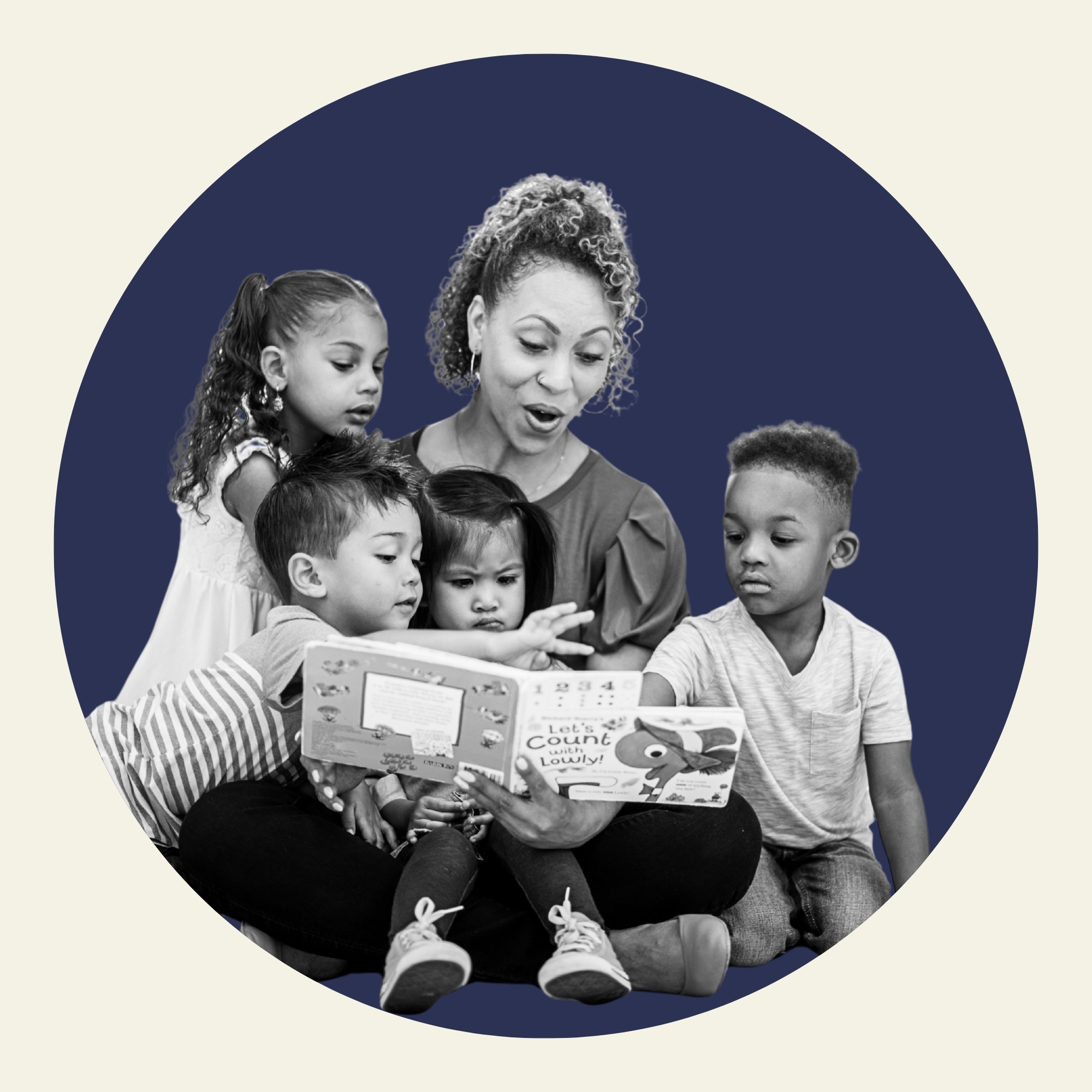

Visit resource page: A Space for All: The Case for a Childcare Public Option

Visit resource page: What Colombia and India Show Us About Treating Care as a Public Good

Visit resource page: New York Announces Historic Move to Expand Childcare Access Across the State
Visit resource page: Building a Vision for Universal Public Childcare: Principles for a Childcare System That Works for Workers and Families
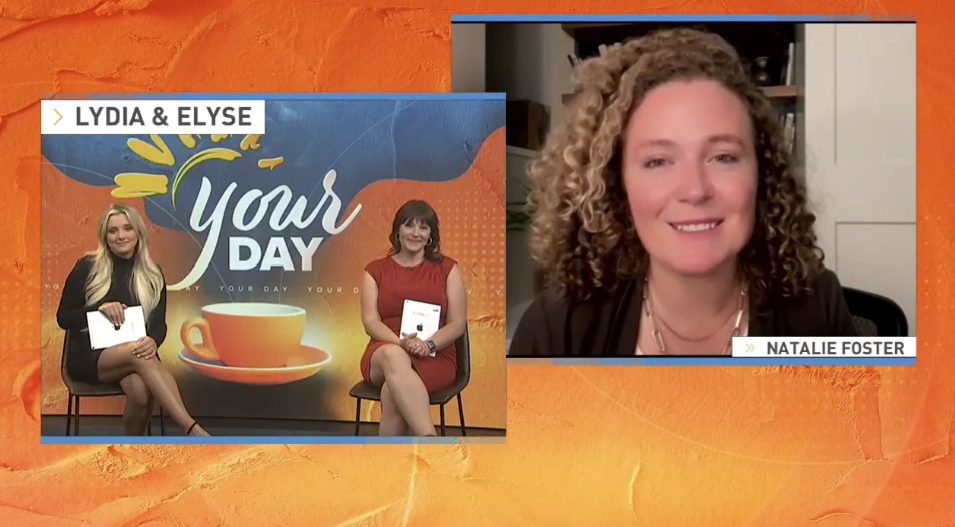
Visit resource page: YOUR DAY FRIDAY: Study finds childcare expenses exceed mortgage or rent for many U.S. families
We envision a universal public childcare system that allows families to flourish. When high-quality, affordable care is treated as a public good, it would free a parent to take a promotion at work, confident that they don’t have to make a choice between parenthood and a career. Childcare providers would be able to make ends meet with a liveable wage and benefits, allowing them to deepen their expertise. And communities would grow stronger, where people create opportunities with the peace of mind that comes with knowing that care is available.
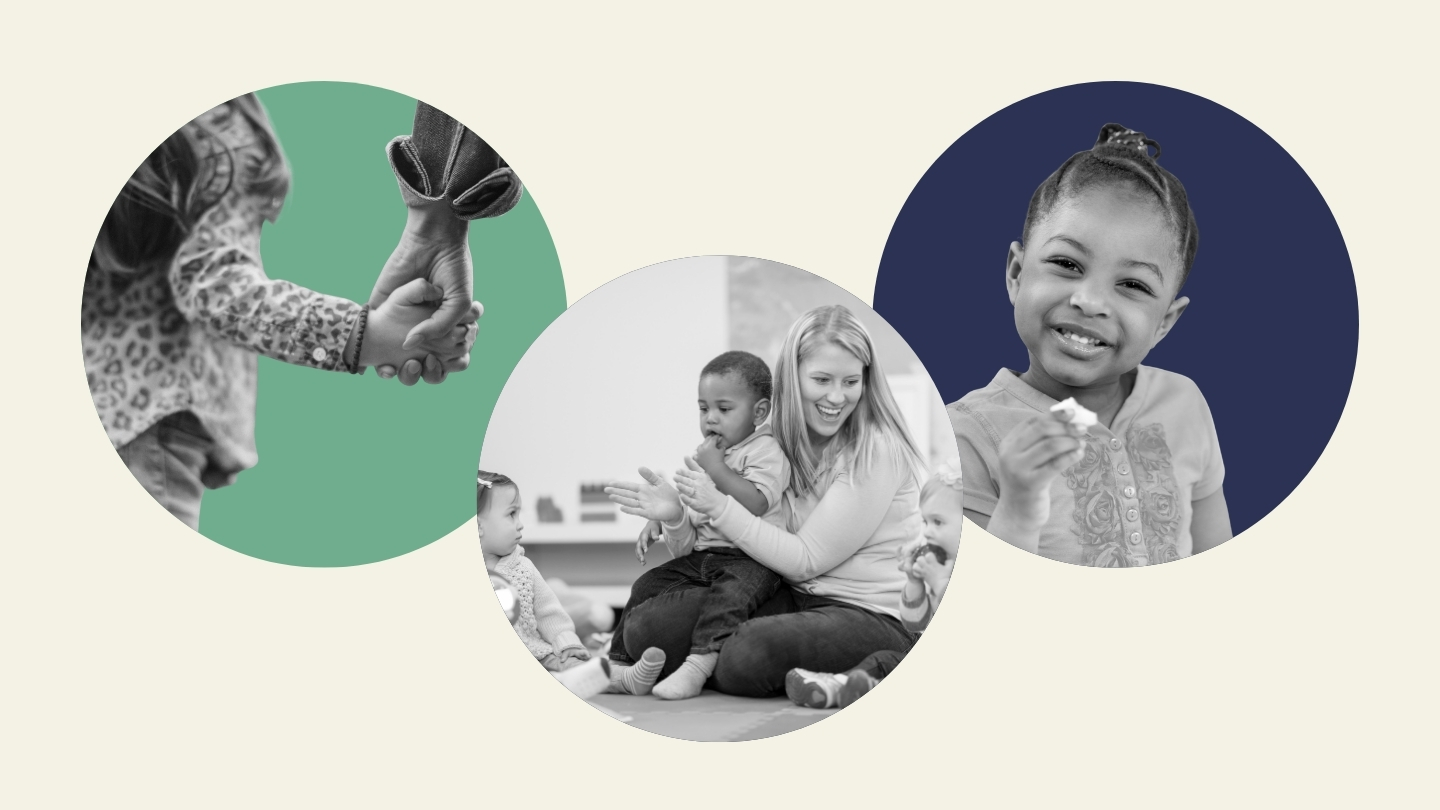
A nationwide universal public childcare system would mean children arrive in kindergarten curious, confident, and cared for, parents live with less stress, and affordable childcare is as readily accessible in towns across the country as the local library or the fire station. When care providers are treated like the professionals they are, universal public childcare will turn undervalued work into dignified careers and begin to mend long-standing racial and gender inequities.
Challengeof jobs pay more than early educators
of childcare providers are women
For years, policymakers and powerful interests have treated childcare as a private consumer good rather than a public responsibility, leaving families to sort through a thin patchwork of programs, while providers operate on razor thin margins. That approach never added up. In 41 states, childcare now costs more than in-state college tuition. The affordability crises in housing, healthcare, and groceries that families are experiencing is compounded by an annual average cost of $11,582 per child for care. And even if parents can afford it, openings are scarce, waitlists stretch for months, or the nearest center is hours away.
We’re doing a public good but not getting publicly compensated.
Caregiver
Report: Building a Vision for Universal Public Childcare
From caregivers’ perspective, the math is just as strained. Childcare is labor intensive by design, but wages have been held down for decades. Providers cannot raise wages without increasing prices for families beyond what they can afford. Early childhood workers earn far less than K-12 educators and less than almost every other profession, which fuels constant vacancies and churn and forces centers to close even when demand is high. Families lose options, kids lose continuity, and providers burn out.
Public investment has already shown what works. Emergency relief during the pandemic steadied programs, kept classrooms open, and brought more families in. When that support ended, the old dynamics returned: unstable supply, high prices, and a workforce leaving for better pay. In that vacuum, private equity expanded their footprint, and care divides grew, with rural and low income communities hit hardest. The lesson is clear. Childcare cannot function as a private market good. It needs permanent public funding that grows supply, lifts wages, and sets accountable standards so every family can access high-quality affordable care.
What We DoWe are partnering with parents, providers, grassroots organizers, and policy leaders to move from a patchwork to a public system, work through real tensions, and center the workforce so no one is left behind in the transition to a universal public system. Together with the Roosevelt Institute and Community Change, our report, Building a Vision for Universal Public Childcare: Principles for a Childcare System That Works for Workers and Families, reflects on a year-long series of conversations with parents, providers, and organizers to envision a path to universal public childcare for the U.S. In this vision, parents have access to affordable, universal care no matter their income or zip code. Every child has a safe, nurturing place to learn and grow during their formative years, professional pay, benefits, and bargaining rights are provided for early educators; and robust engagement and transition supports that bring small, independent providers into the new system
To be successful, a universal public childcare model must be:
Associate Director
Vice President of Policy and Research

Executive Director

Senior Communications Director