Update
Futures Cohort Writes a New Story of the Economy
12. 05. 2025
How creators are reshaping how millions understand power, prices, and what a fair economy could be.

Over the past six months we have been working directly with a talented group of ten creators, trying to write a new story about the economy; one that rings true for the millions of Americans currently written out of the prosperity enjoyed by increasingly few. After working with creators on specific campaigns over the past few years, we moved towards a model of fellowship, designed to value creators as trusted and talented messengers in their own right, and build long term relationships with regular, monthly payments. Our Futures Cohort was recruited across platforms and genre, engaging their audiences via issues like climate change, immigration, tech innovation, worker rights, personal finance, comedy and politics. Over the last seven months, through video essays, newsletters and social content they explored economic anxieties, broke down policy solutions, and brought their audiences on a journey towards a better understanding of the systems underlying the current affordability crisis.
Learn how the Economic Futures Cohort started
We’re Betting on Creators to Rewrite the Story of the Economy
Visit link (opens in new tab): We’re Betting on Creators to Rewrite the Story of the EconomyCollectively our cohort has a combined audience of over 5 million followers, reaching people who may not be seeking out economic news, and precisely because of that, we learned a tremendous amount about how to embed economic issues into engaging social content. The insights and strategic messaging that these creators brought to the room every time we met breathed new life into our issues. Economic policy, which can too often get stuck in white papers and bogged down with wonky terminology, became accessible and relevant to audiences we simply could not reach any other way.
We introduced creators to a variety of topics, experts and resources on briefing calls throughout the year, culminating in a in-person event in New York (last week) this November. One of the briefings that captured the imagination of our fellows was on the idea of Public Options, where ESP board member, and Professor at the Cornell School of Law, Sabeel Rahman, spoke on how public investment could help lower costs and ensure access for things like childcare, AI compute and even public grocery stores. Brain Baez cleverly stitched together a video of Fox news calling out the affordability crisis and pointed towards a policy solution in the form of a public grocery store, Azaelea Market, that had just opened in Atlanta where he lives. In the video Brian took us inside the store to show his audience exactly how cheap staples like milk and eggs were, and connected the dots between the campaign promises of mayor elect Mamdani in NYC, with a real example of the policy on the ground, giving us all hope that these aren’t just ideas but actionable solutions.
Max Read’s essay on the idea of Public AI took the idea one step further, talking about the public option as a way to bridge often polarized views on the hot button topic. When discussing AI it is common to find either evangelists, or folks ready to pull the plug entirely, but for Max the idea of public options offered a third path forward, one where AI, or any technology, could be designed for public benefit;
Public libraries, another great example of publicly mostly democratically controlled institutions, publicly funded institutions that are repositories for knowledge, that are places for people to come and congregate. That the internet could be more like that, instead of like a like a dead mall, which is kind of where it's headed right now.
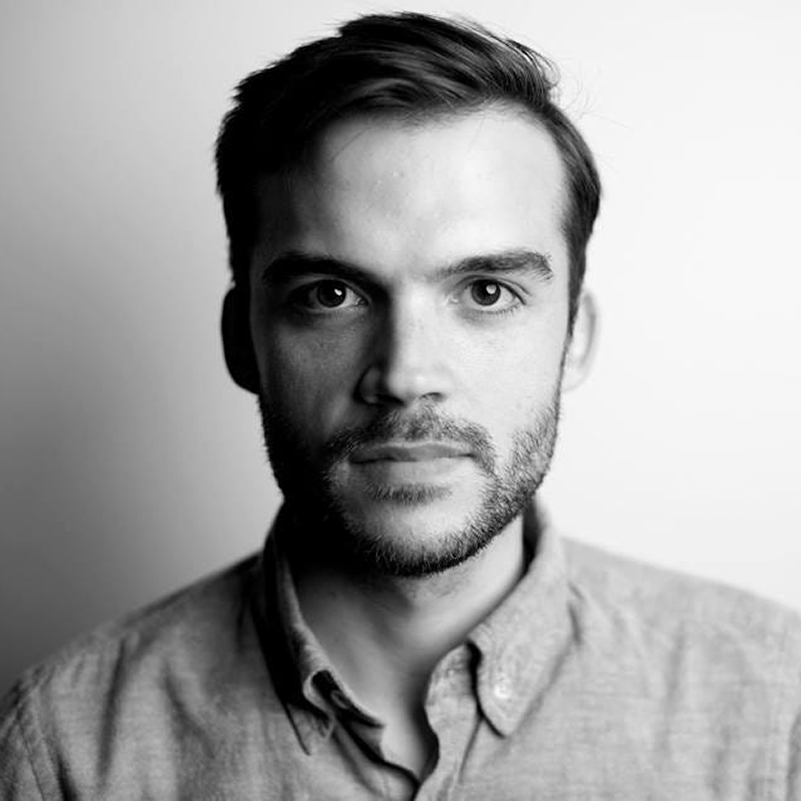
Max Read
Journalist and Writer
One of our big bets going into this program was letting go of what decades of political pollsters would undoubtedly advise against; strict message control. It was clear coming out of the 2024 election that being stuck in the top-down, know-it-all, poll-tested ways were preventing progressives from reaching people with a real story of how the economy feels and how we can change it to benefit everyone. Coming out of our briefing on guaranteed income, we could see exactly why a diversity of approaches is the winning strategy; each creator’s audience is unique, built to fit the creator and their perspective, so why wouldn’ we message differently to each audience? While Max wrote about the idea of cash policies in the face of technological unemployment for his popular tech-focused newsletter, Ayanna Gay, a new mom in Florida took a different approach. Ayanna, who often talks about her faith in her content, grounded the conversation about guaranteed income as a moral one, calling out those who claim to care about children and families but behind closed doors are ripping resources away from those who need it most, elevating RxKids as an effective program that could be replicated elsewhere if people got out of their own way.
As we gathered in NYC last week to mark the end of our inaugural cohort, the energy of having our fellows in the room together was palpable. There was so much mutual respect and excitement to be face to face with other creatives in what can often be a lonely job. This was perhaps the greatest hidden strength of the program: providing the cohort with a place to brainstorm, bounce ideas around, and share the energy of a modern day newsroom.
I was just a singular person out there trying to do things, but that's really intimidating, because you don't have access to all the resources that you nee I think one of the things that really stood out to me about this program was solving that problem. If you are a one person newsroom, it's really helpful to get introduced to and collaborate with other people who are in this situation and get ideas flowing.

John Russell
Journalist and Content Creator
Providing the camaraderie of peer support, alongside monthly payments, expert briefings, and editorial support was a great way to build relationships and resource the creators with everything they needed to take on our economic issues. While some of our creators already routinely make content on economics, others reflected that having access to things like polling and support on fact-checking scripts, gave them the confidence to cover these kinds of issues for their audiences and discover just how resonant they were.
I would create content mainly about immigration because I naively, as the daughter of someone who is undocumented, thought that that was our number one issue. But this past election cycle, I would say I learned that immigration isn't our top issue. It's the economy really.
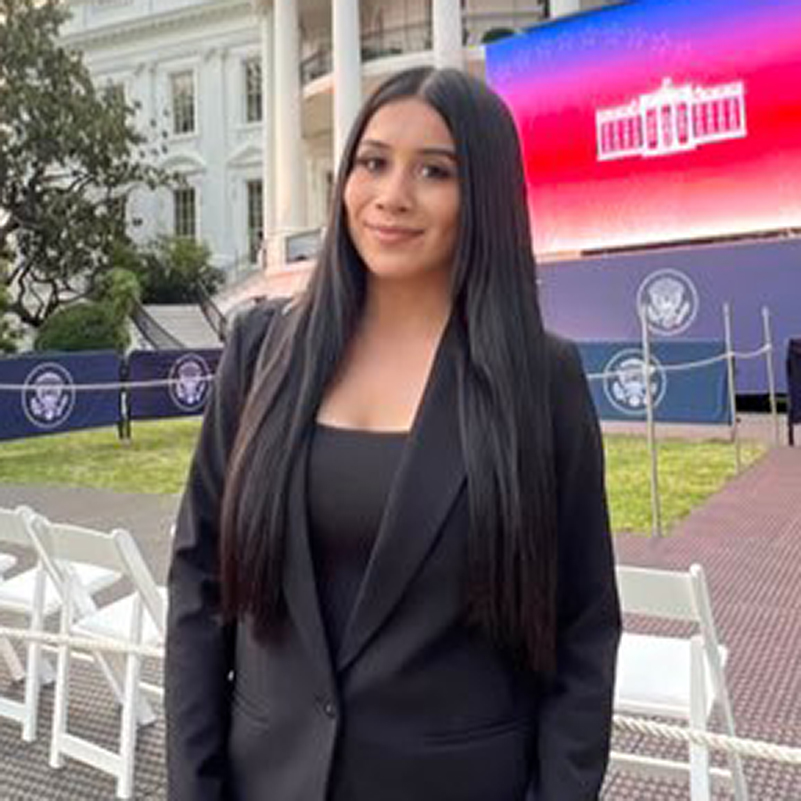
Nessa Diosdado
Content Creator
If we had any doubt that affordability was the top economic issue, it became very clear that the crisis is weighing heavy on people’s minds and wallets, and our fellows were able to help connect the dots for their audience between the pocketbook pain and the villains behind it. At an early briefing on the way that algorithms and AI is being used to set prices, personal finance You Tuber Cara Nicole chimed in with the realization that “you can’t budget your way out of a monopoly problem”, a line that I’ve often repeated since. For many Americans, looking at the soaring costs of something like Beyonce tickets can feel like a scam, but it is not always clear who is to blame. Creator and pollster Joshua Doss made a very compelling video on just how invasive some of these predatory pricing practices can be, with an explainer video that took his audience on a walk in someone else’s shoes, showing the very real violence that surveillance pricing can perpetuate.
What that did, I think, was put a name to something that people were feeling, these individual moments where they're feeling like they've been taken advantage of, and I think that surveillance pricing put a name to it.
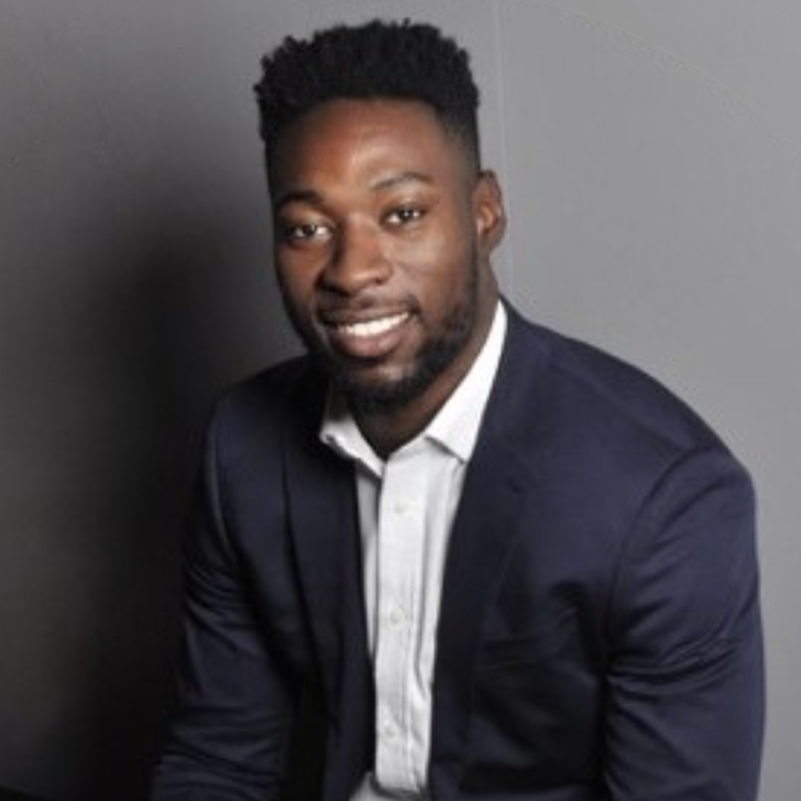
Joshua Doss
Pollster and Political Strategist
We are moving quickly to launch the next two Economic Futures Cohorts: one will focus on affordability, aimed at tackling the breadth of policies across broken incomes and broken markets; and the second, which will be a sprint to focus on storytelling around the growing healthcare crisis. We’ve recruited creators such as nurse Alexis Rose and indigenous small business owner Brit Koch, both of whom face difficult decisions in the months ahead with their healthcare costs set to more than double, and will bring their audiences along for the journey.
Social media is now the ecosystem through which ideas travel, and without it, we are, to borrow a term from our feeds, cooked. We’ve seen what can happen when we let the other side dominate this space. Investing deeply and swiftly in this space, and leading with trust and respect for creators, is a necessary step towards building back the trust lost in traditional media, in institutions, and yes, in government itself.