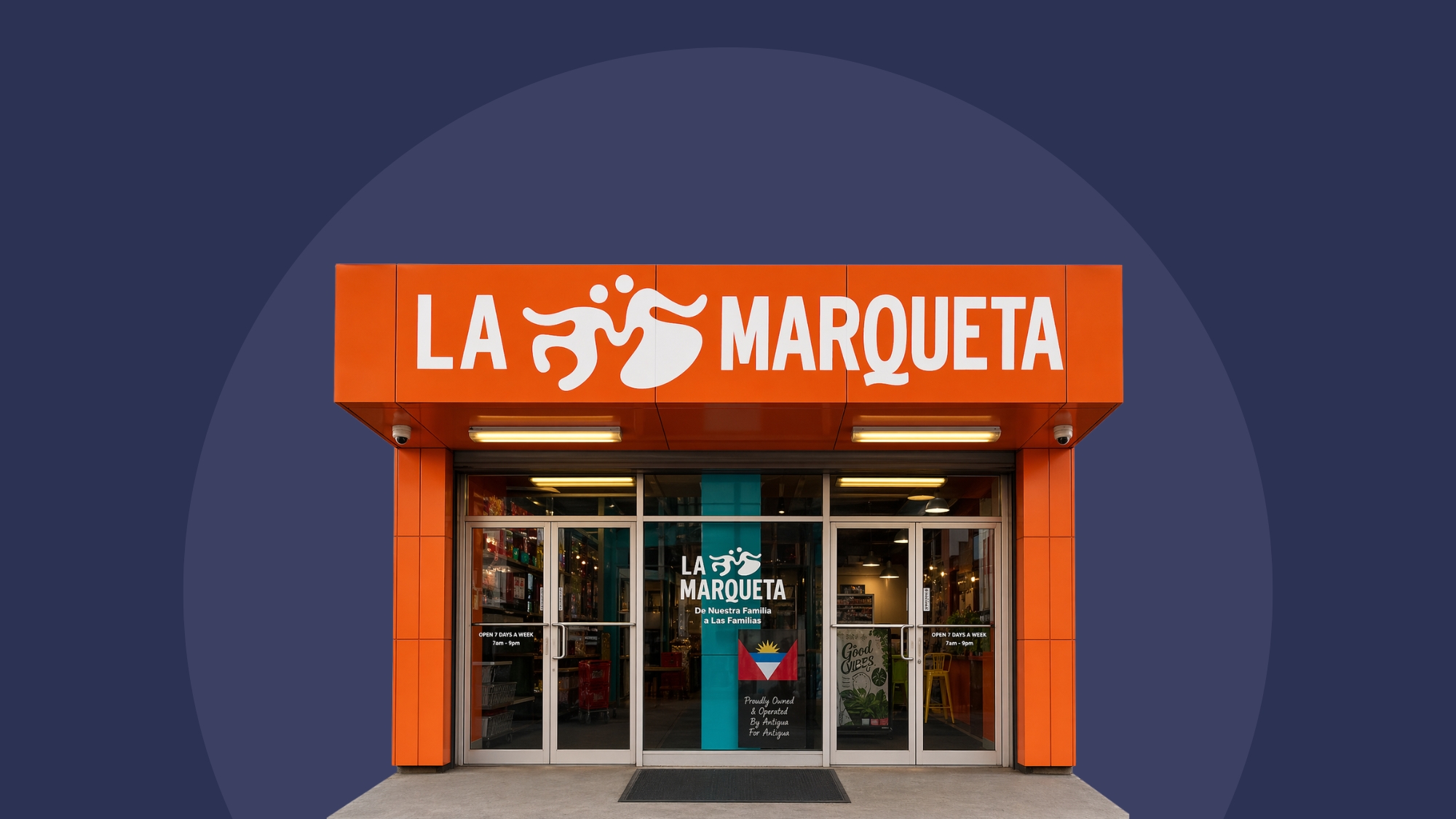
Taylor Jo Isenberg of the Economic Security Project said the public-private structure could allow the city to tap grocery expertise it does not have in-house and move faster than if it tried to build operating capacity itself. But she also said New York’s next crucial step will be choosing a private vendor aligned with the program’s vision.
And she said the administration’s unanswered pricing questions are not trivial ones: grocery pricing is “extraordinarily complex,” she said, and what counts as a staple can vary by neighborhood and community.
A feasibility study tied to municipal grocery work in Chicago reached a similar conclusion about structure. The report found a municipal grocery model could be “necessary, feasible, and implementable,” but said a city’s best role may not be as a direct store operator.
Instead, it said cities can provide space, resources and support while a private operator handles day-to-day operations. The study also warned that single stores tend to face high upfront costs and thin operating margins, and that smaller formats may need 3% to 5% operating profit to be sustainable — making operator quality, site selection and public support critical to success.
Isenberg pointed to a handful of other places experimenting with public grocery models, including Atlanta and Kansas, and said cities have taken different approaches depending on local conditions. Some have opted for direct municipal ownership, she said, while others have leaned on private vendors or market-style models.