Update
From Los Angeles to Bakersfield: What Californians Told Us About the Affordability Crisis
07. 10. 2026

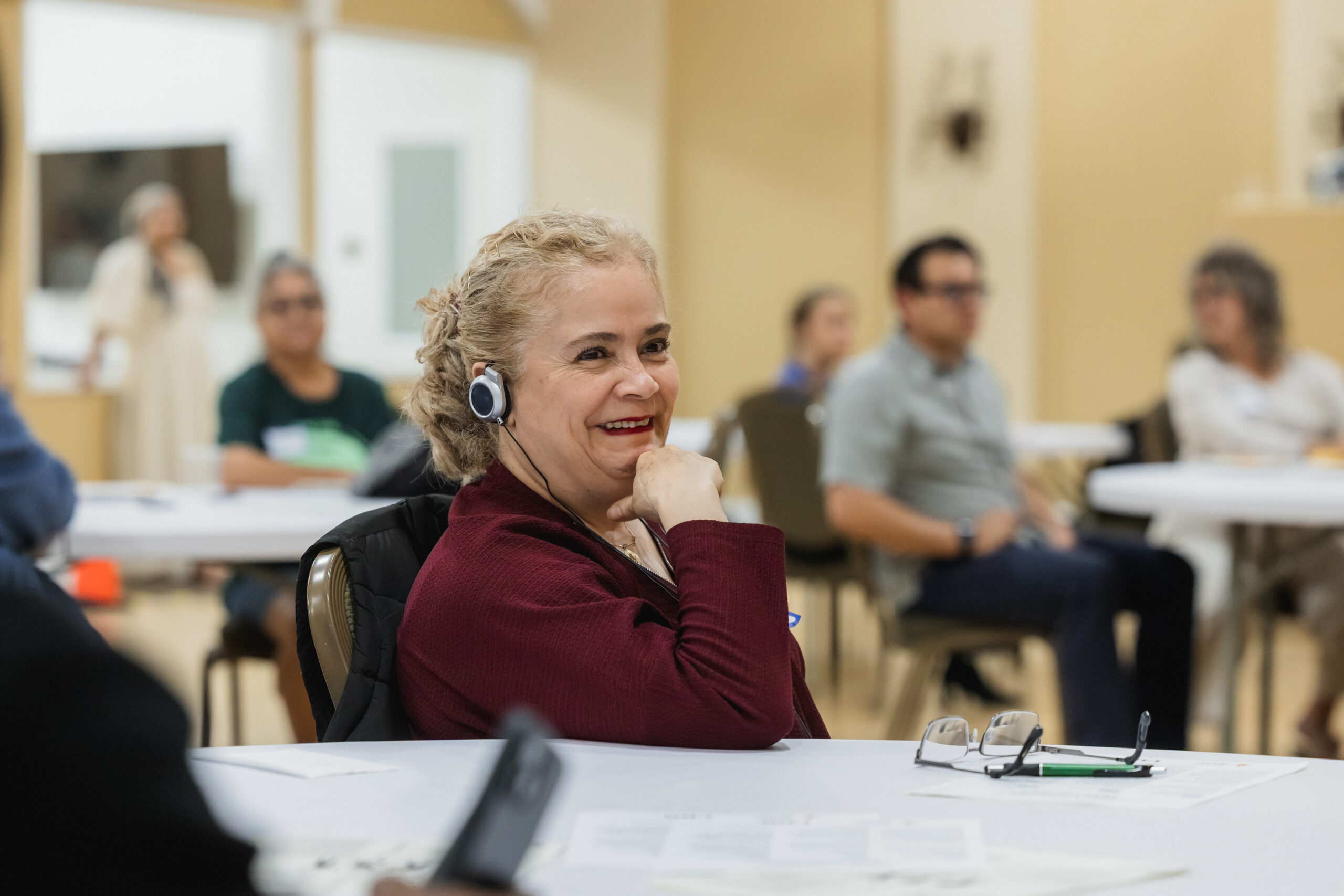
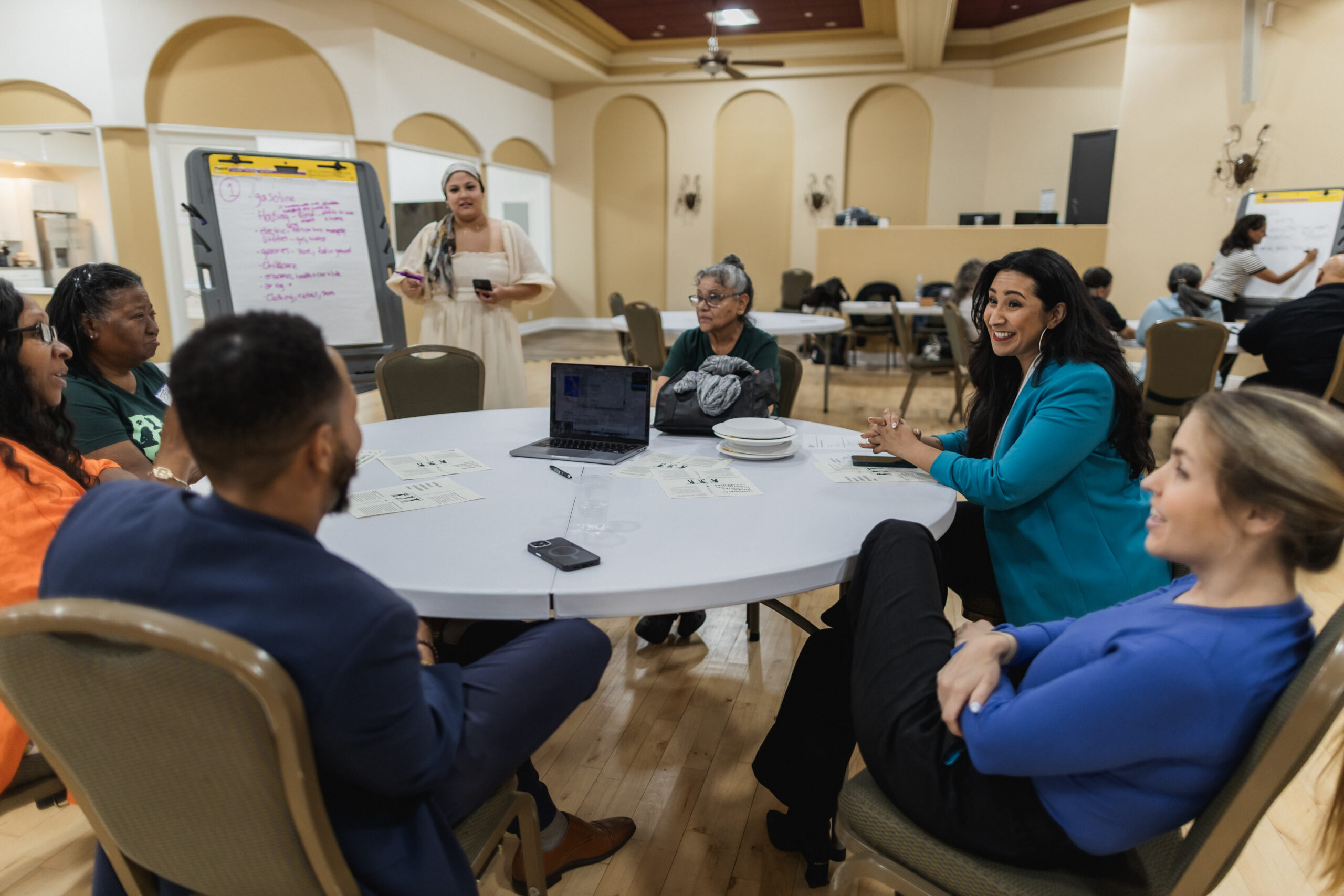
Over the past six months, team Economic Security CA (ESCA) has traveled across California not to deliver a message, but to receive one. From Los Angeles to the Inland Empire, Bakersfield to San Diego, we held listening sessions with more than 250 Californians with diverse perspectives including workers, caregivers, renters, students, small business owners and parents. We asked simple questions: What does the affordability crisis actually feel like in your life and what should be done to fix it?
What we heard was honest, specific, and heartbreaking. People walked us through the detailed math of staying housed, keeping food on the table, and caring for their children. They described the tradeoffs they make between rent and medical bills, things they have stopped doing, and a future for themselves and their children that feels increasingly out of reach.
We went to listen because the policies we advance must be rooted in the lived experience of the people whose lives we are trying to change.
California’s Affordability Crisis: By the Numbers
The stories we heard reflect a structural crisis that the data confirmed even before our first tour stop:
- More than half of California renters spend over 30% of their income on rent.
- Since 2019, food prices have risen 27% and gas prices 29%.
- The basic cost of food, housing, and transportation for a low-income California family now runs $32,000 a year — before childcare, healthcare, or debt.
- Childcare for one child costs $22,000 annually — up to 28% of a family’s income.
- 10% of adult workers live in poverty. Half of them work full-time.
- Since 2020, wages have grown just 2.9% after adjusting for inflation.
- California electricity prices are 80% higher than the national average, driven by three sanctioned monopolies with no competitive alternative.
What We Heard on the Tour
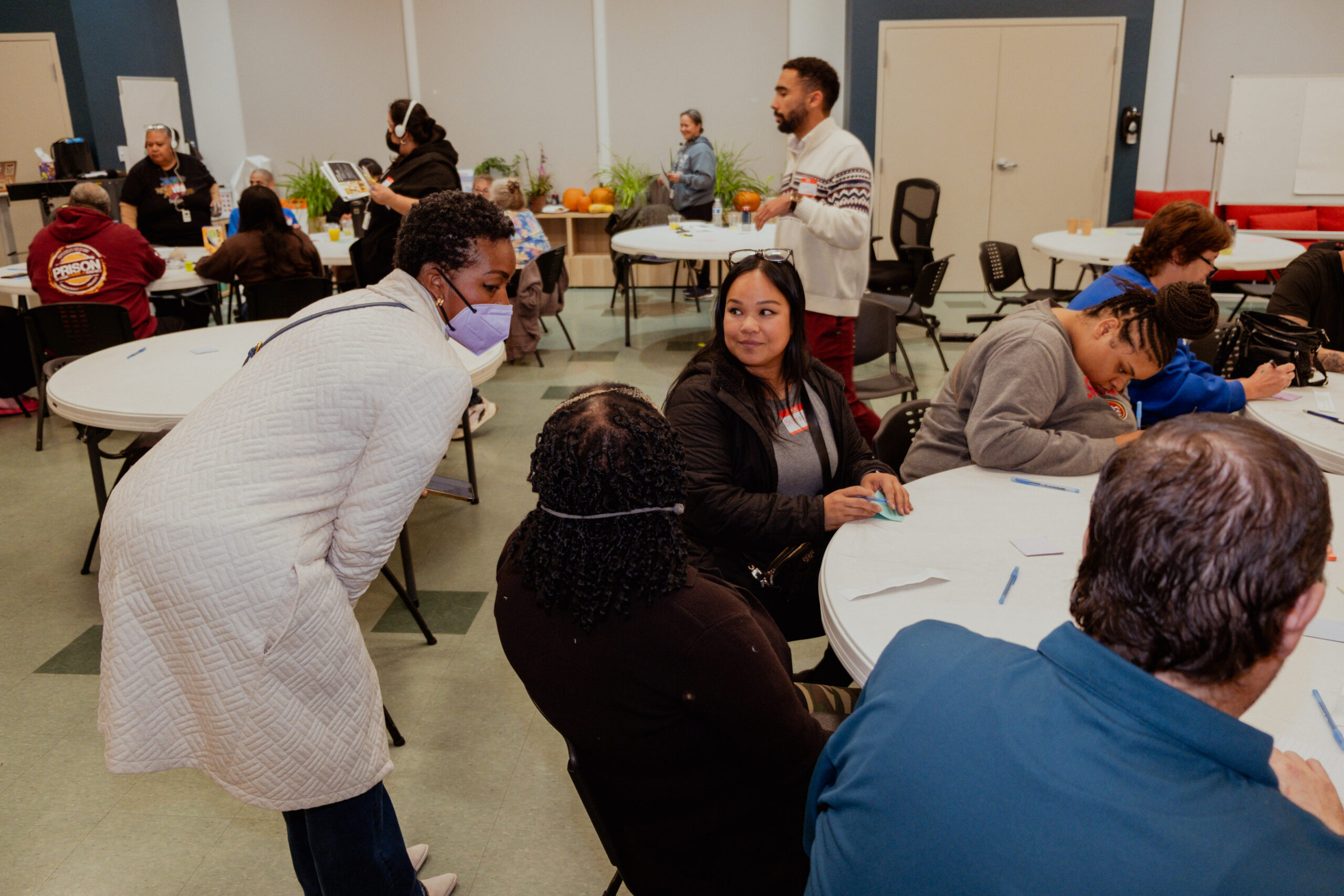
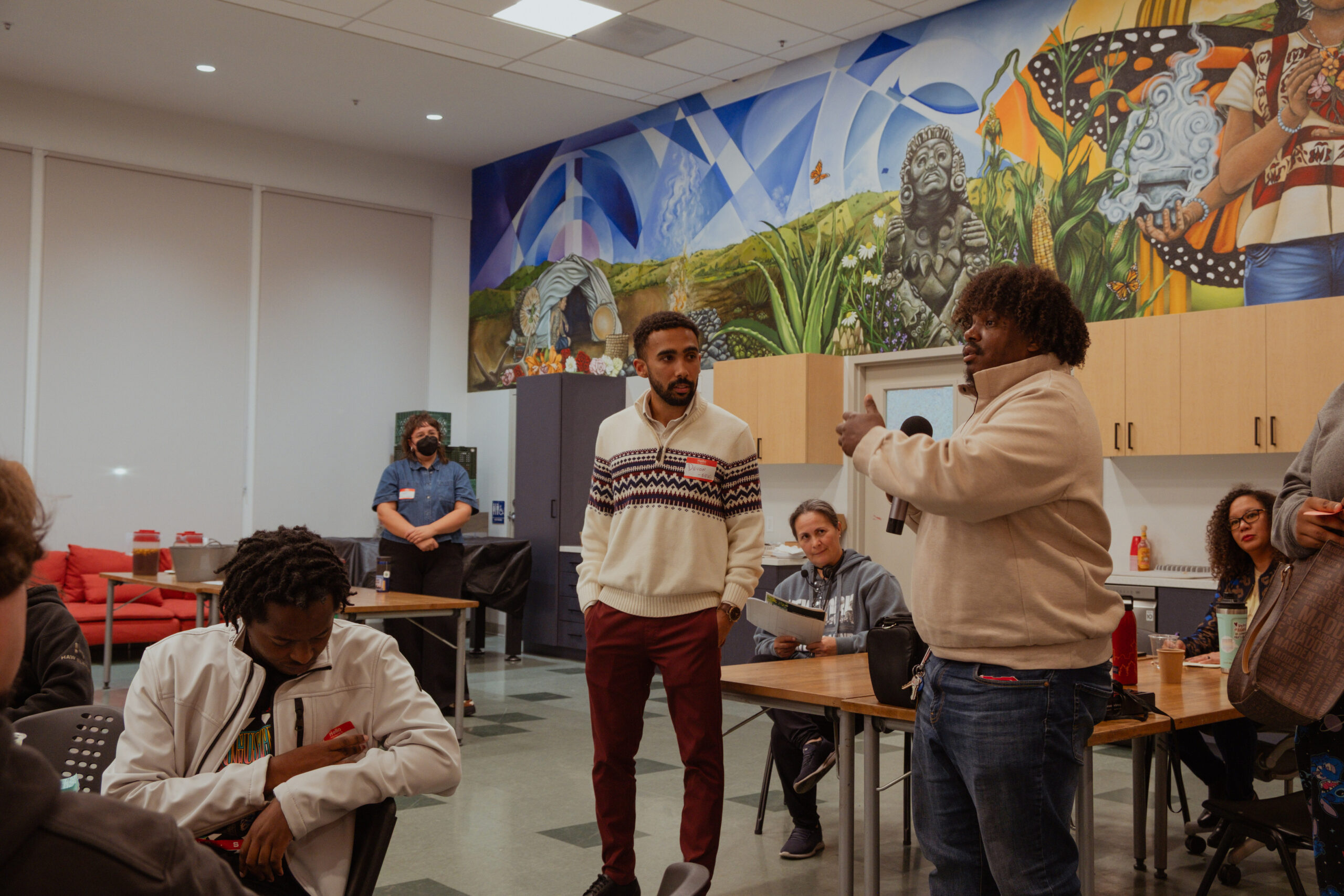
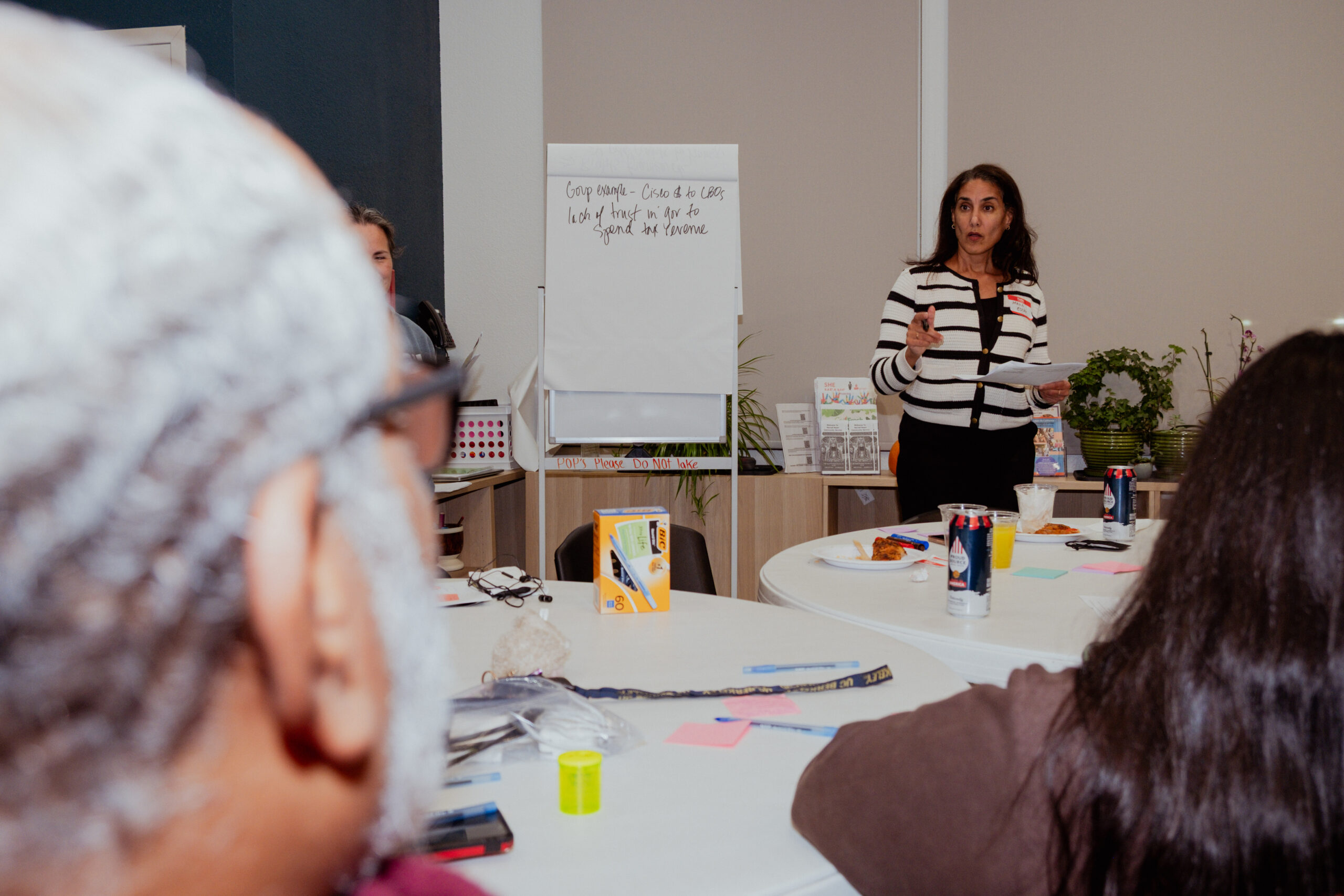
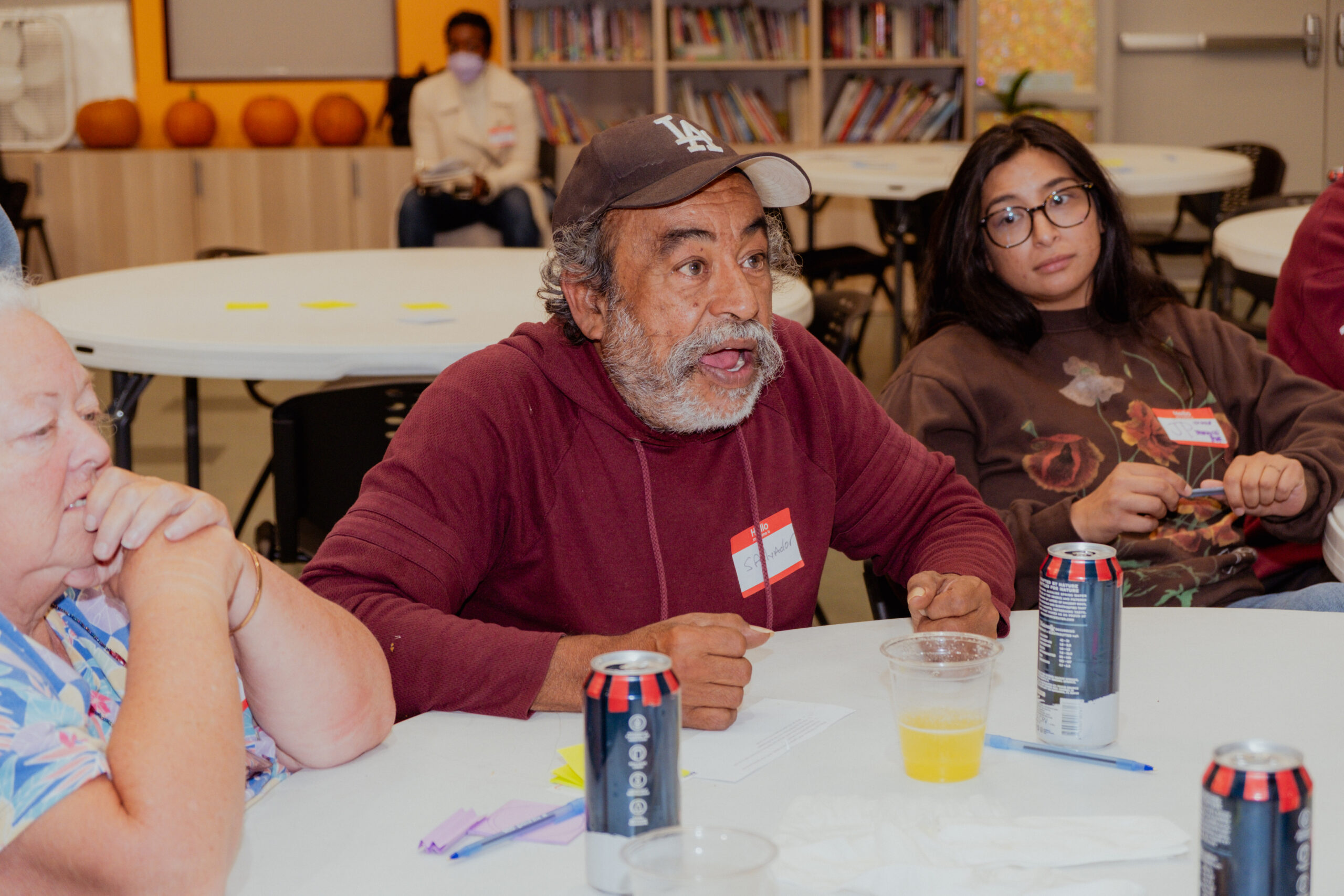


We kicked off our listening tour with End Poverty in California (EPIC), Destination Homes Silicon Valley and Sacred Hearts Community Services in San Jose where we brought together residents including young parents, transition-age youth, and adults. Young parents, transition-age youth, and community members described housing costs as crushing — with groceries, utilities, childcare, and transportation close behind. Participants drew a direct line between rising costs and corporate consolidation, describing a Bay Area that is increasingly prosperous for some and unlivable for those who have called it home for years.
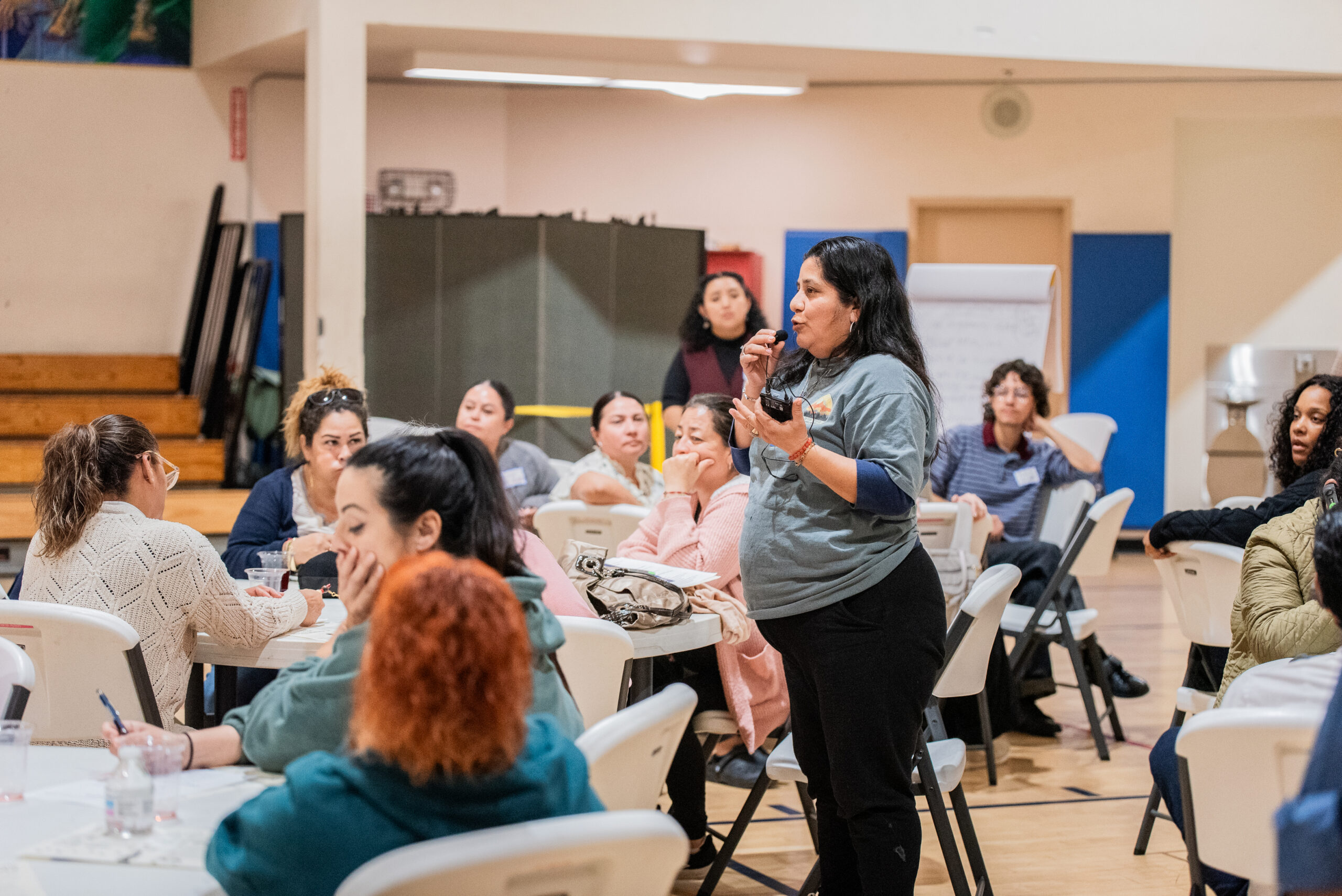


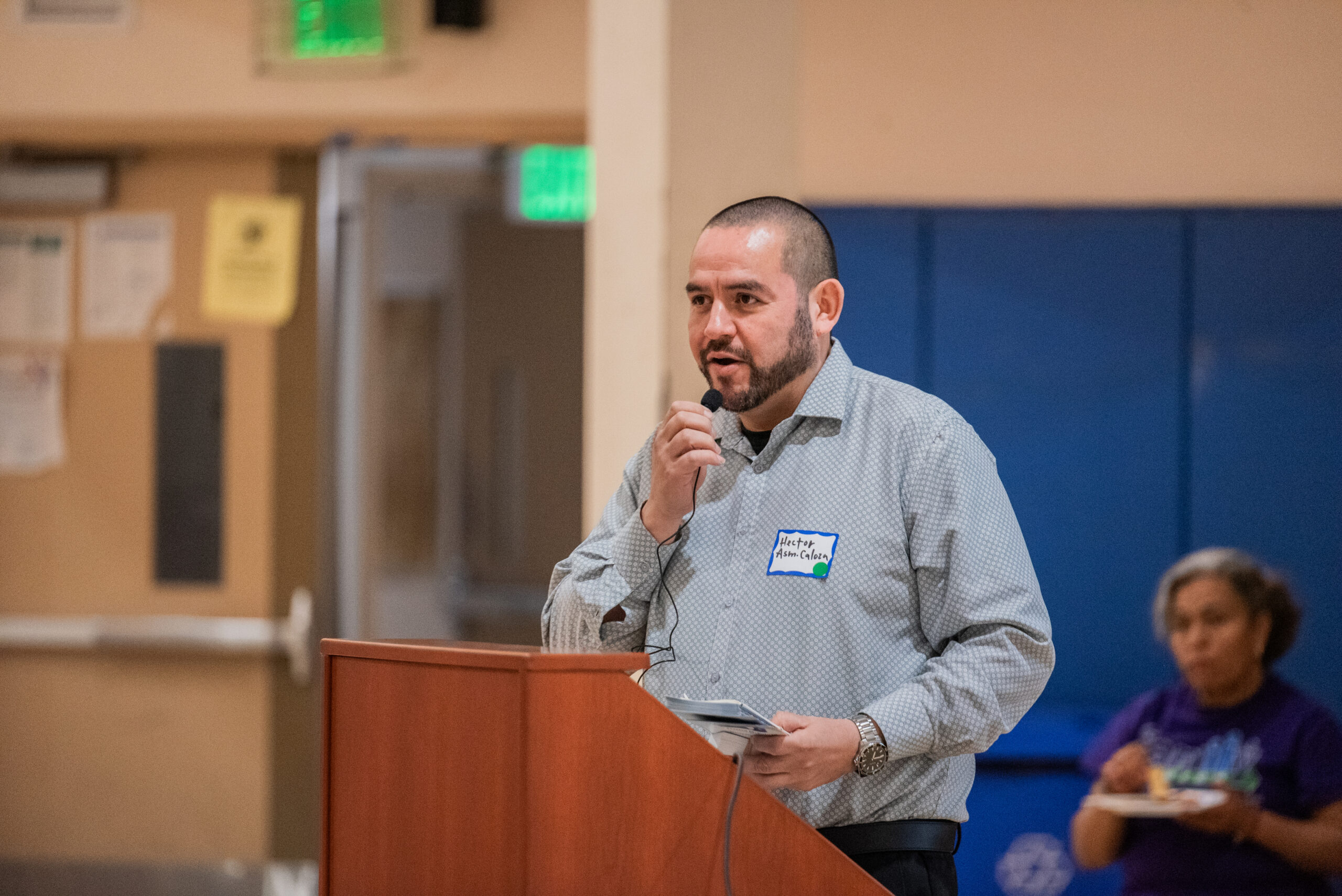


In Los Angeles we partnered with United Parents & Students (UPAS) and Young Invicibles whose membership of young adults spoke about working full-time and still being unable to imagine homeownership. Community members named housing affordability and wage inequality as two sides of the same broken system.
Who can afford a house in California on minimum wage? Who can afford rent? When we peel this back and think about housing affordability and wages as one and the same, we start to understand that there are policies in place that are preventing us from advancing.
Jennifer Maldonado, Los Angeles
The American dream is built on the idea that anyone can thrive if they work hard enough. But as educational expenses and the cost of living keep rising, that promise feels increasingly out of reach. Restoring the American Dream must be a priority for lawmakers.
Jason Vasquez, Los Angeles
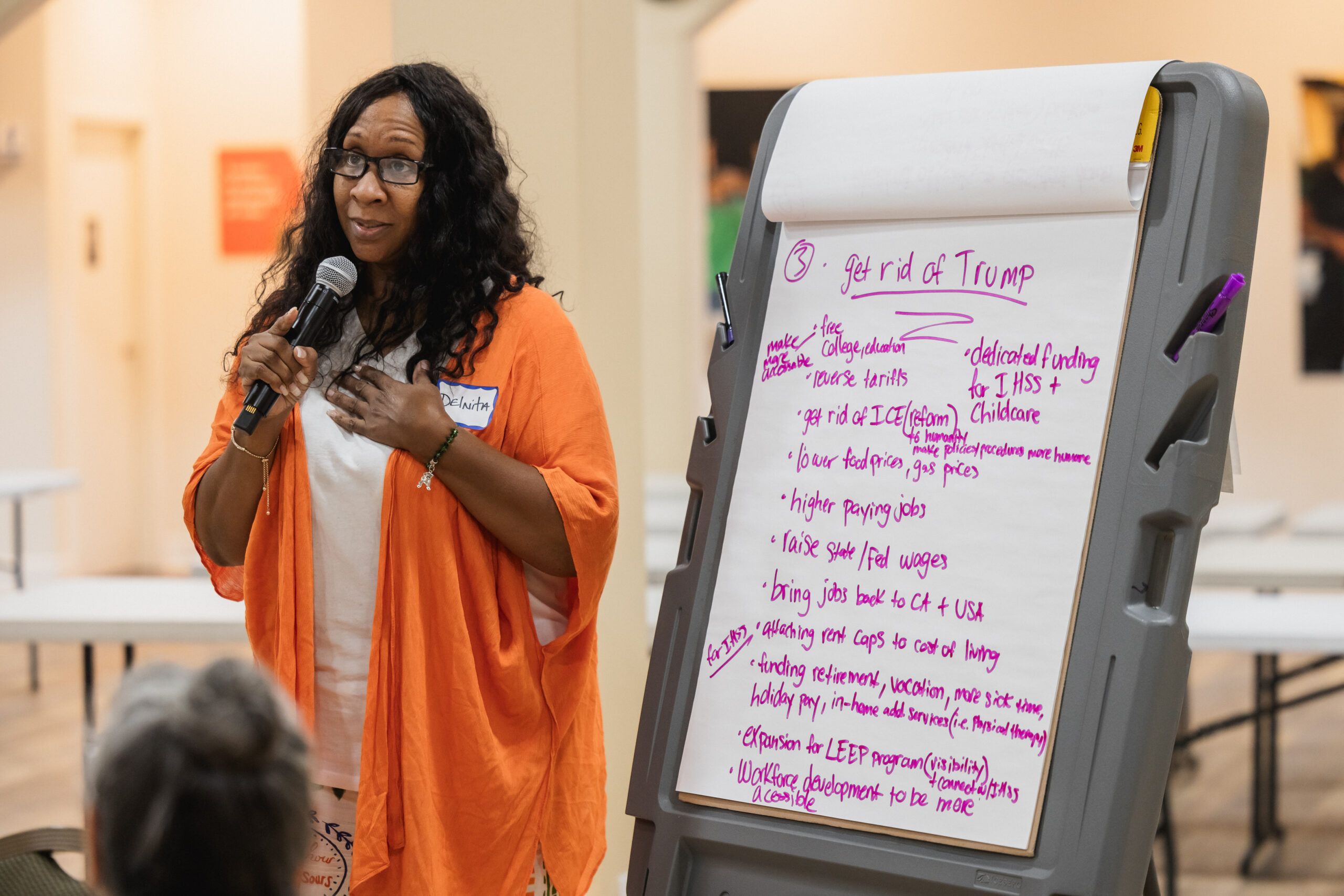
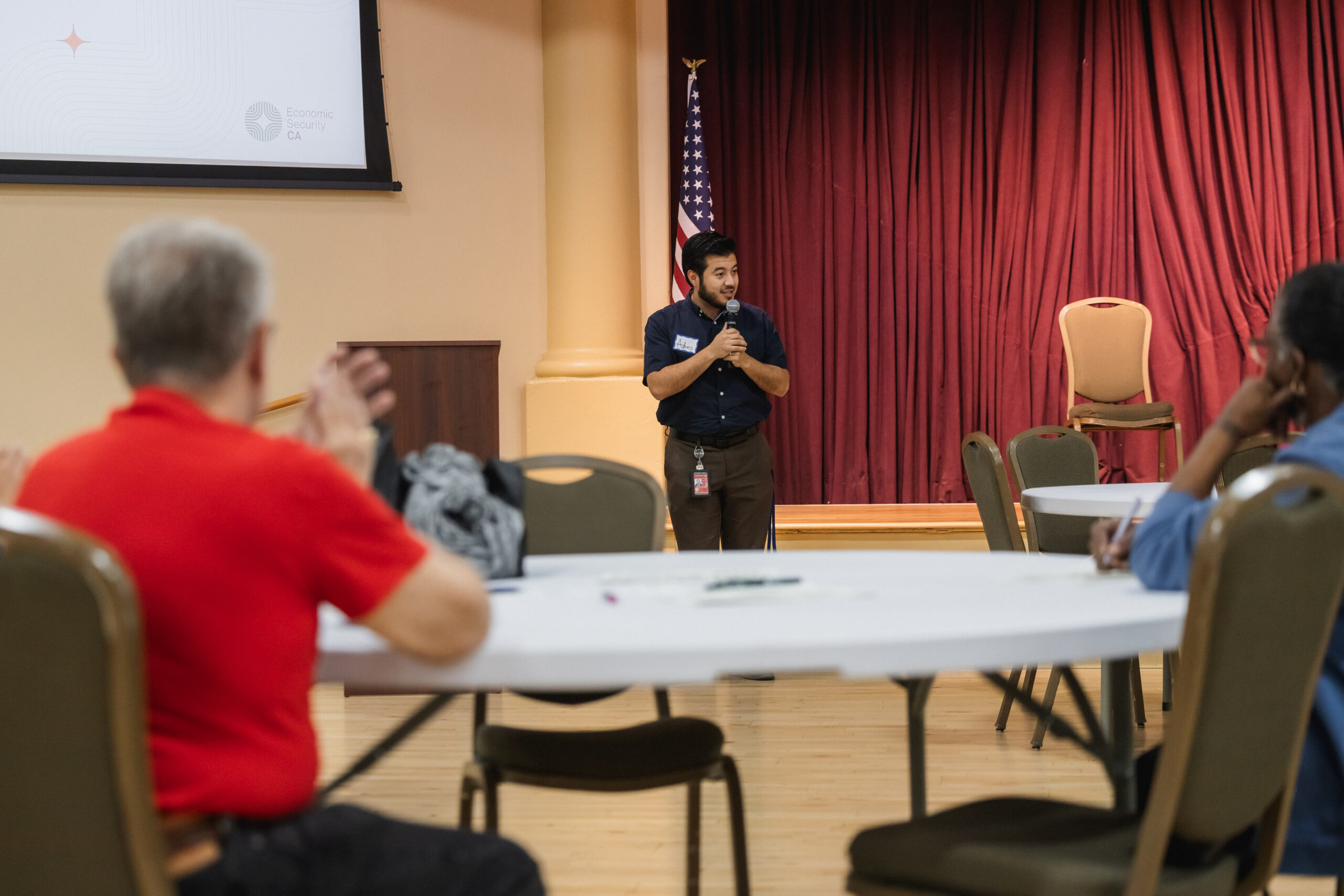
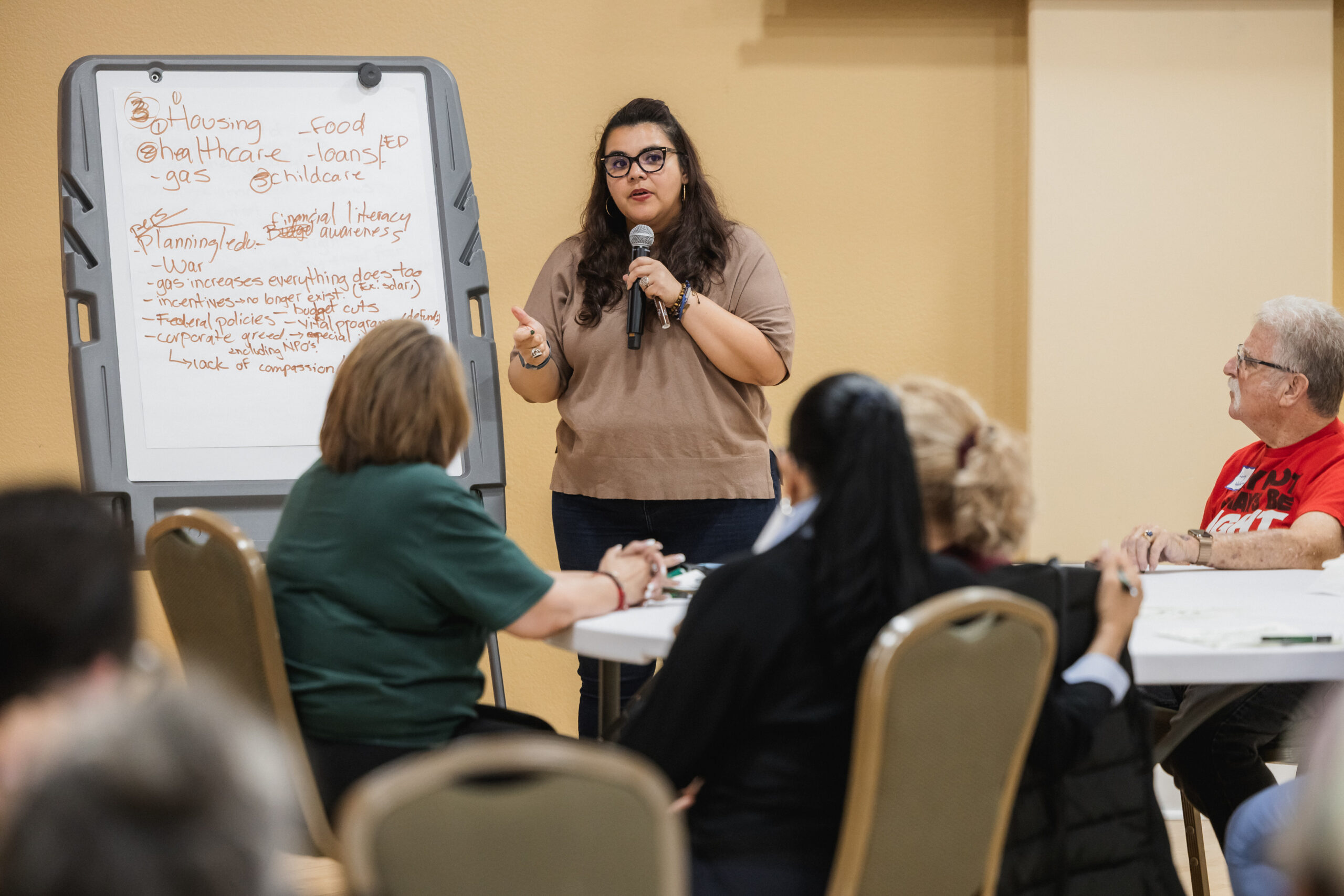
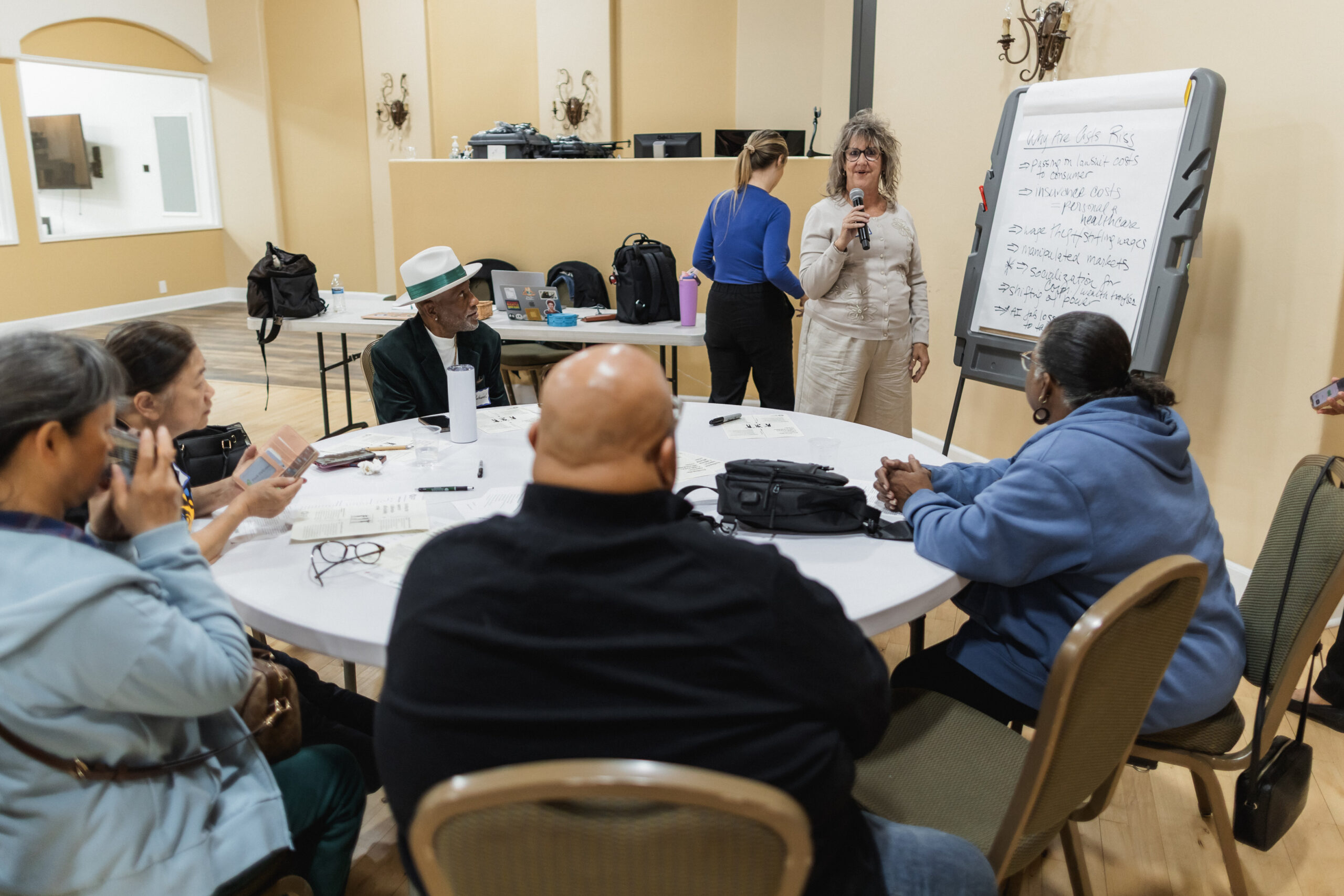
In Riverside, we worked with United Domestic Workers to hear from the caregivers California depends on — childcare providers and those supporting aging and disabled adults. These are the workers who are simultaneously the most economically squeezed and the most essential. The word that came up unprompted, repeatedly, was not “crisis.” It was “theft.” Participants described utility bills that have tripled, housing costs that have priced them out of the communities where they work, and wages that have simply not kept pace.
For me, it's not an affordability issue. It's a theft issue. We have socialism for corporations, but we don't have socialism for human beings.
Rick, UDW Union Member, Riverside
I have an 827-square-foot apartment that I pay $2,100 a month for. My light bill is $500 a month. $500. How? That makes no sense.
Rachel, Care Provider Riverside
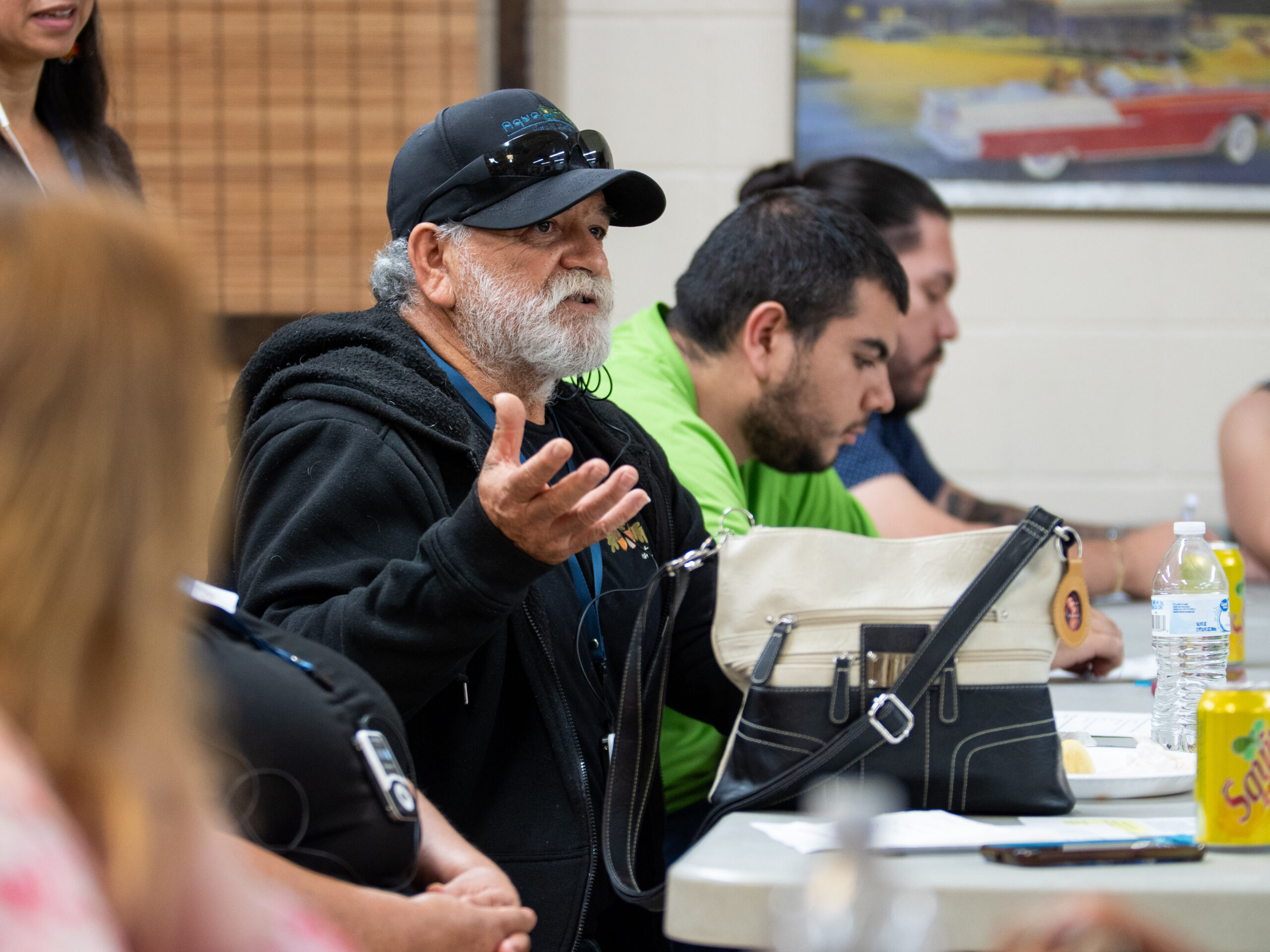
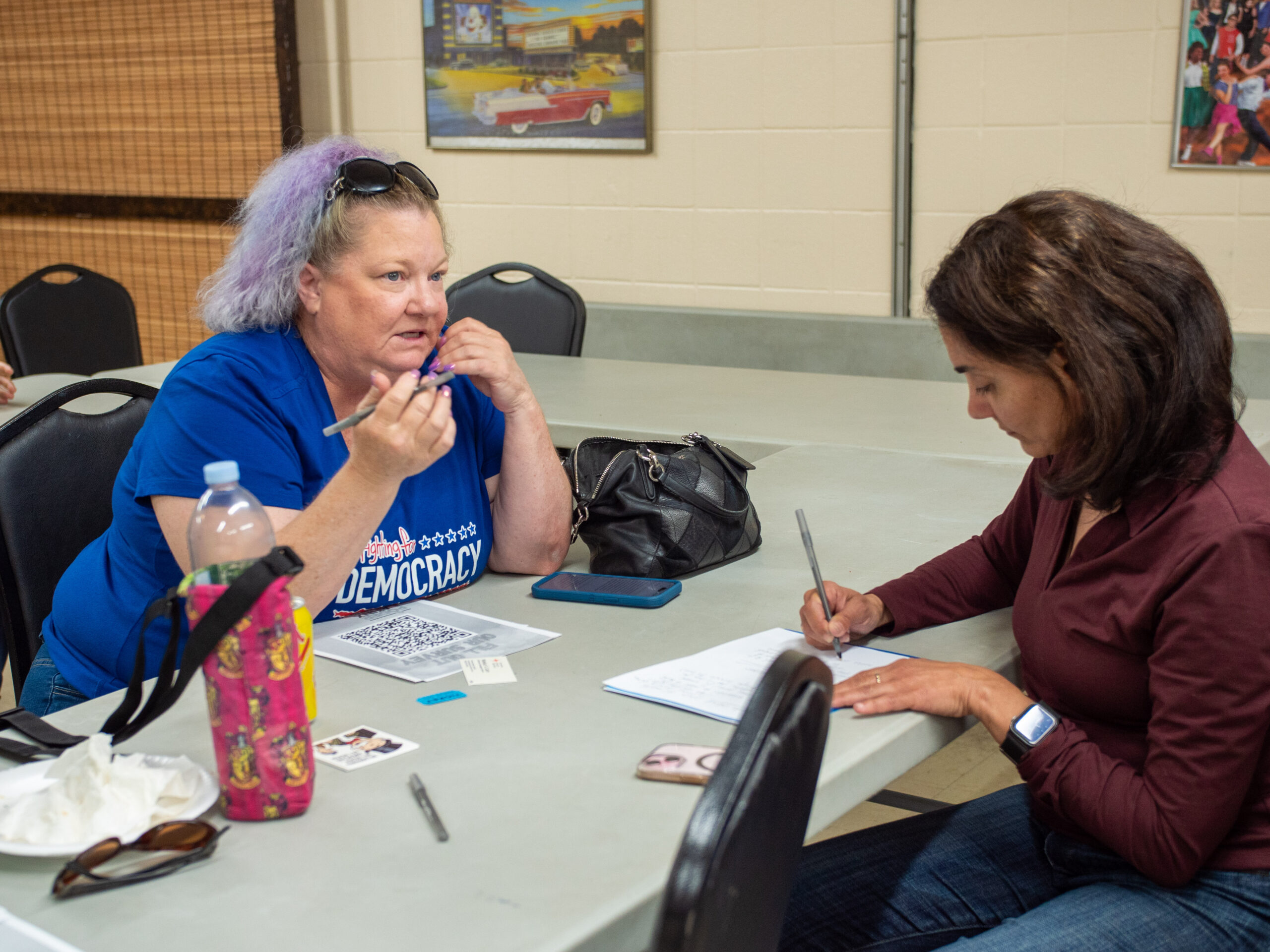

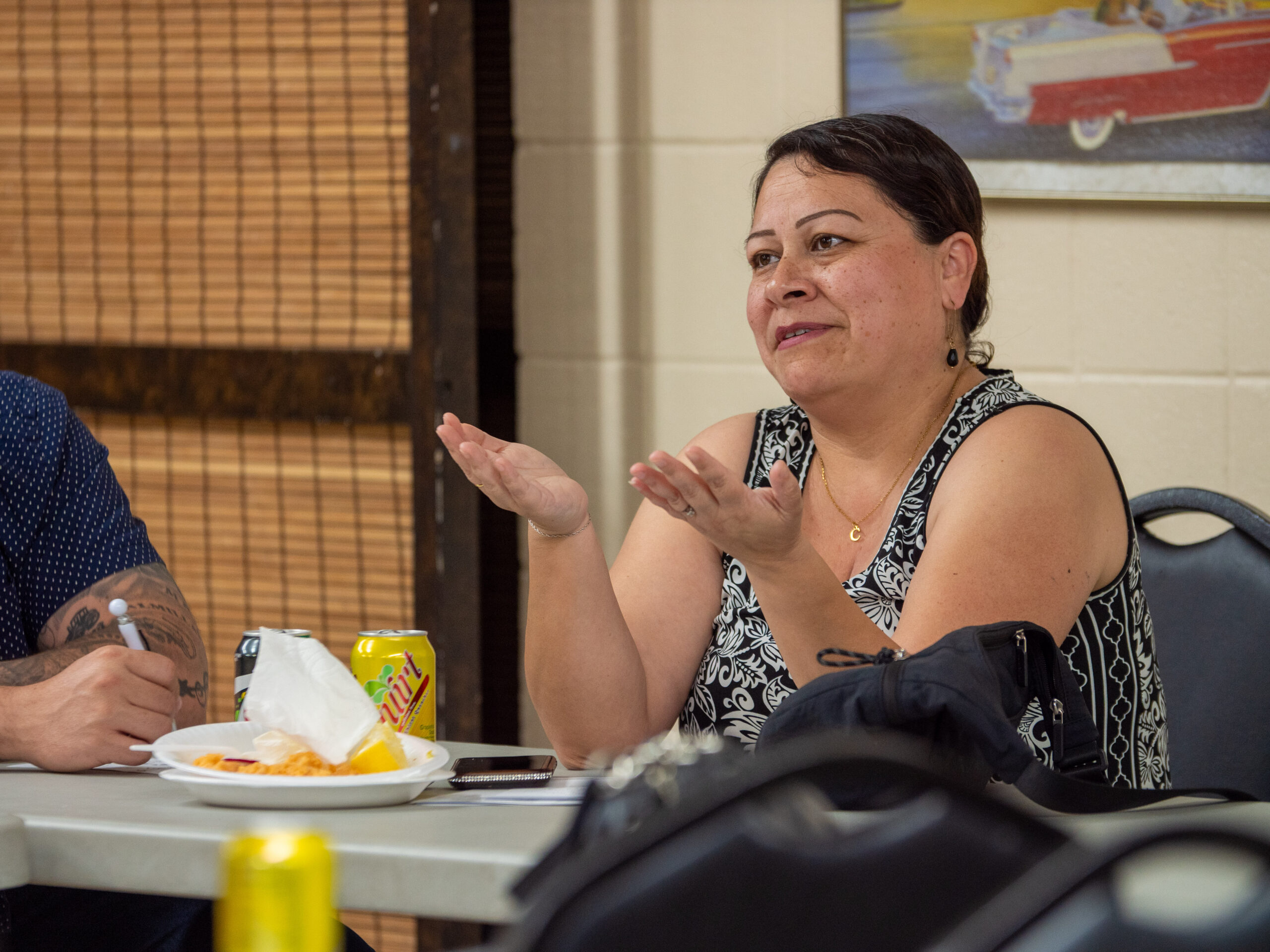

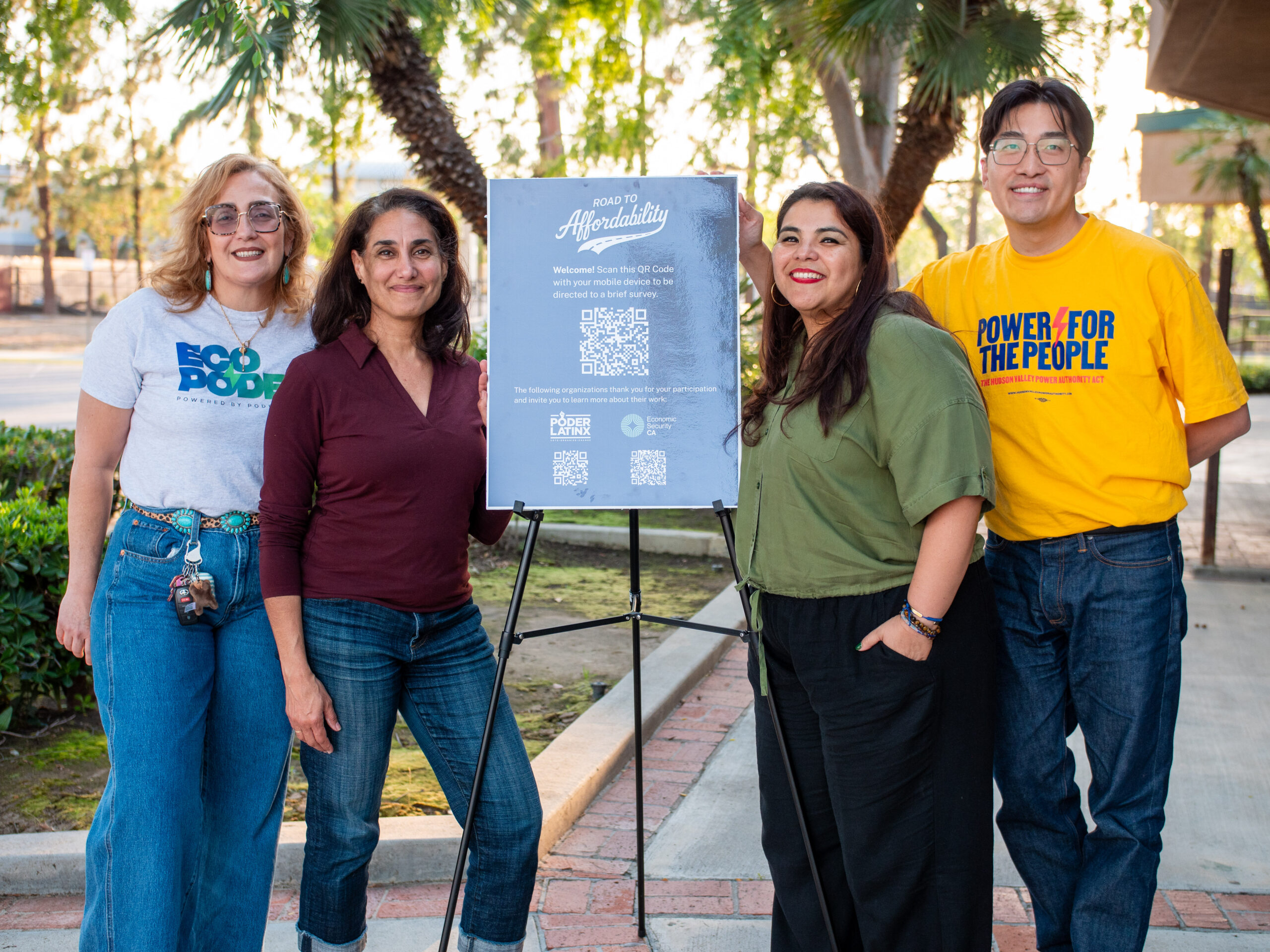
Working families in Bakersfield, where we partnered with PODER LatinX described an affordability crisis with life-or-death stakes. Healthcare rationing including people going off medication they can no longer afford was a dominant theme. So was generational despair: adult children working two and three jobs still cannot achieve what their parents did. And threading through many conversations was a deep frustration with being politically engaged but economically invisible.
One prescription that had been $40 was $400, and the other went up to $600. So I went off both of those medications. And my A1C is now back up through the roof. And there are a lot of people doing that — and that should not be happening in this country.
Bakersfield participant
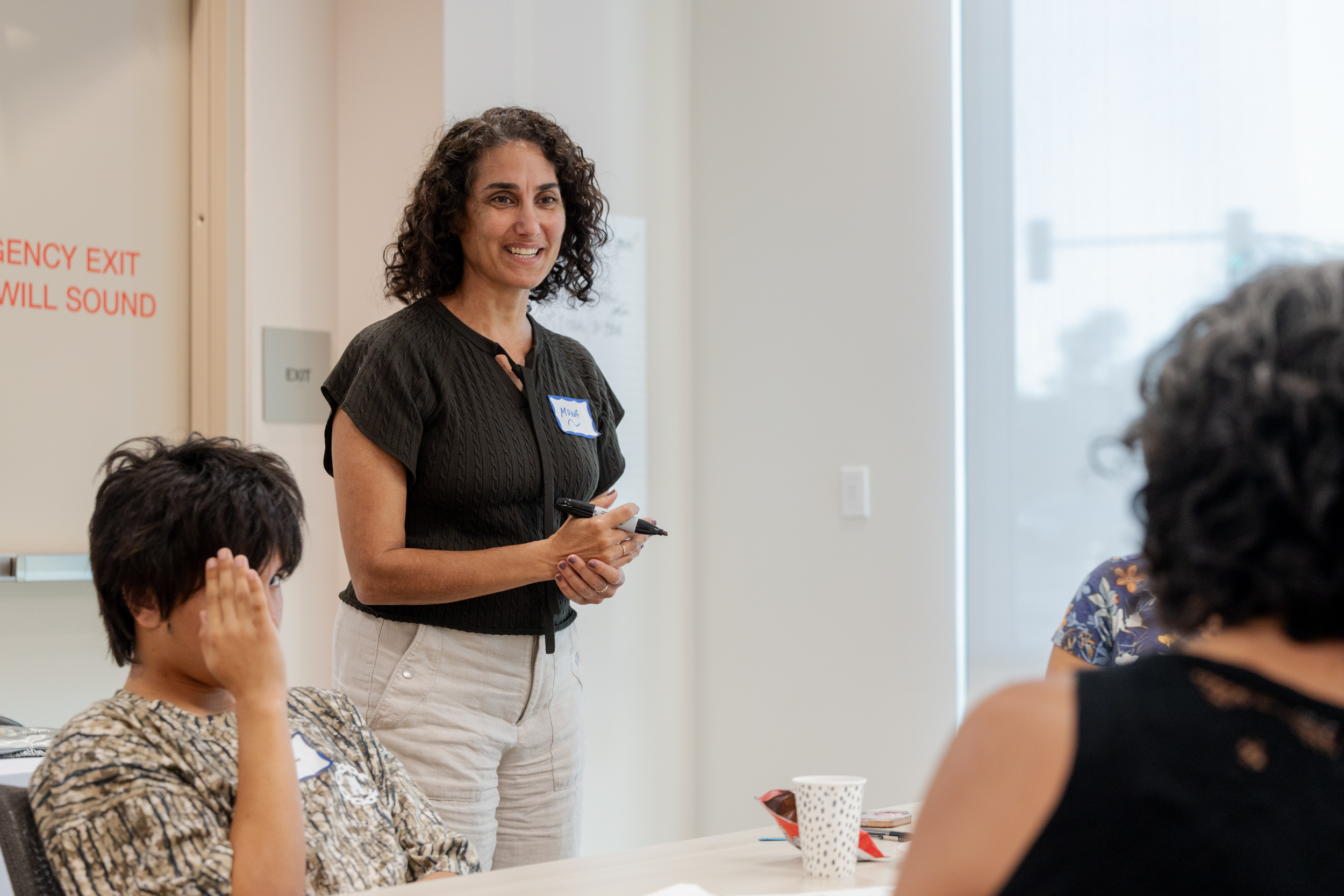
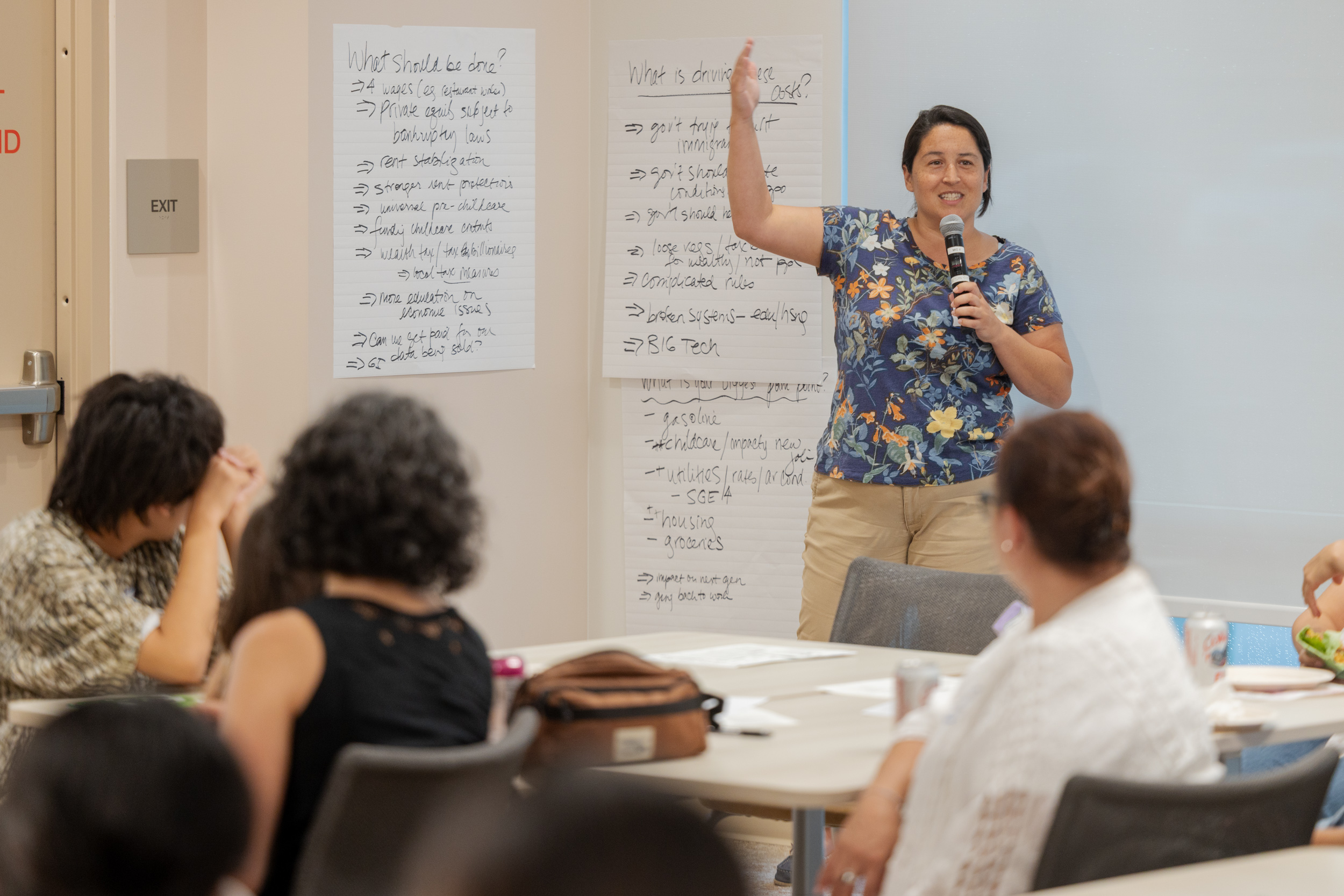
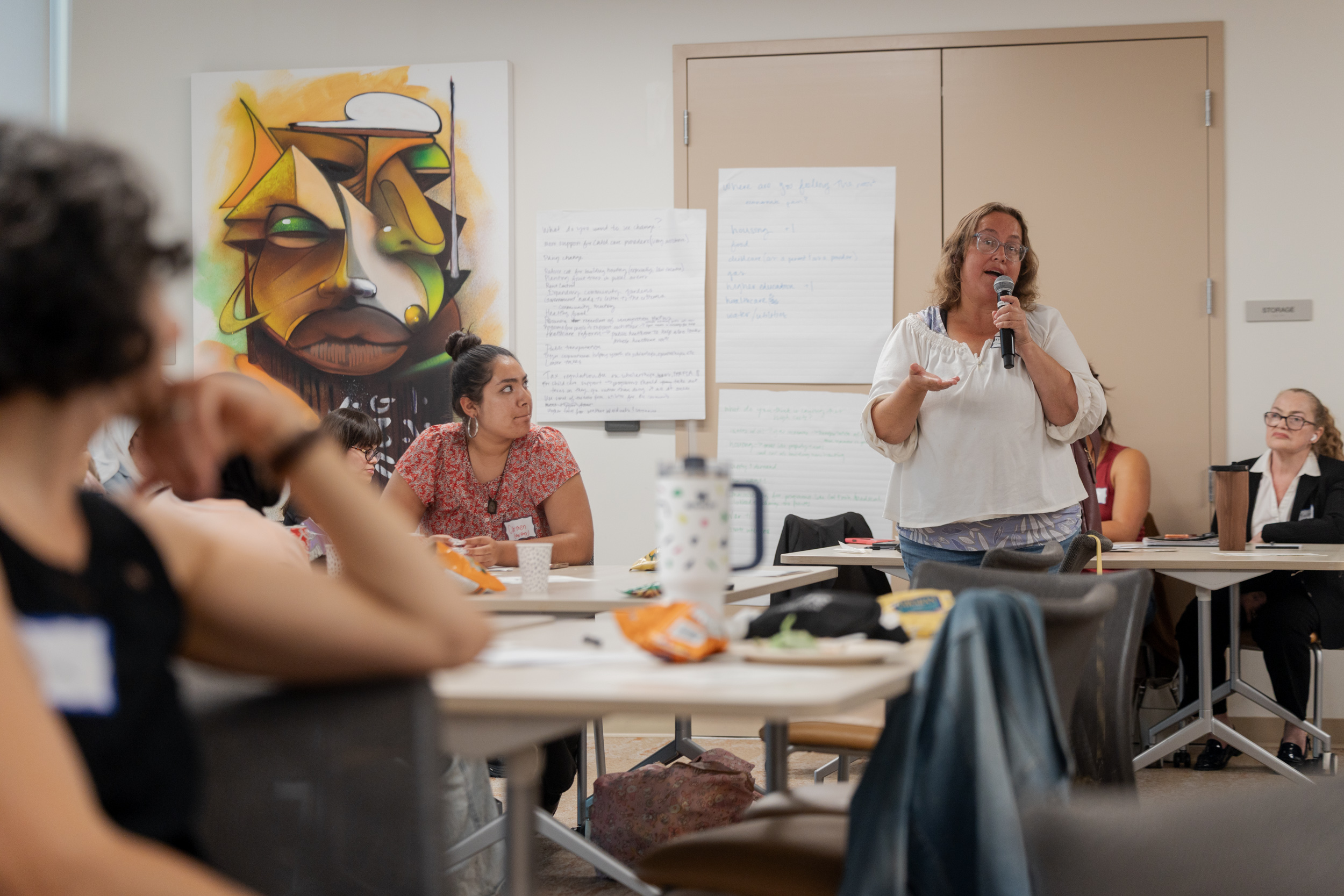



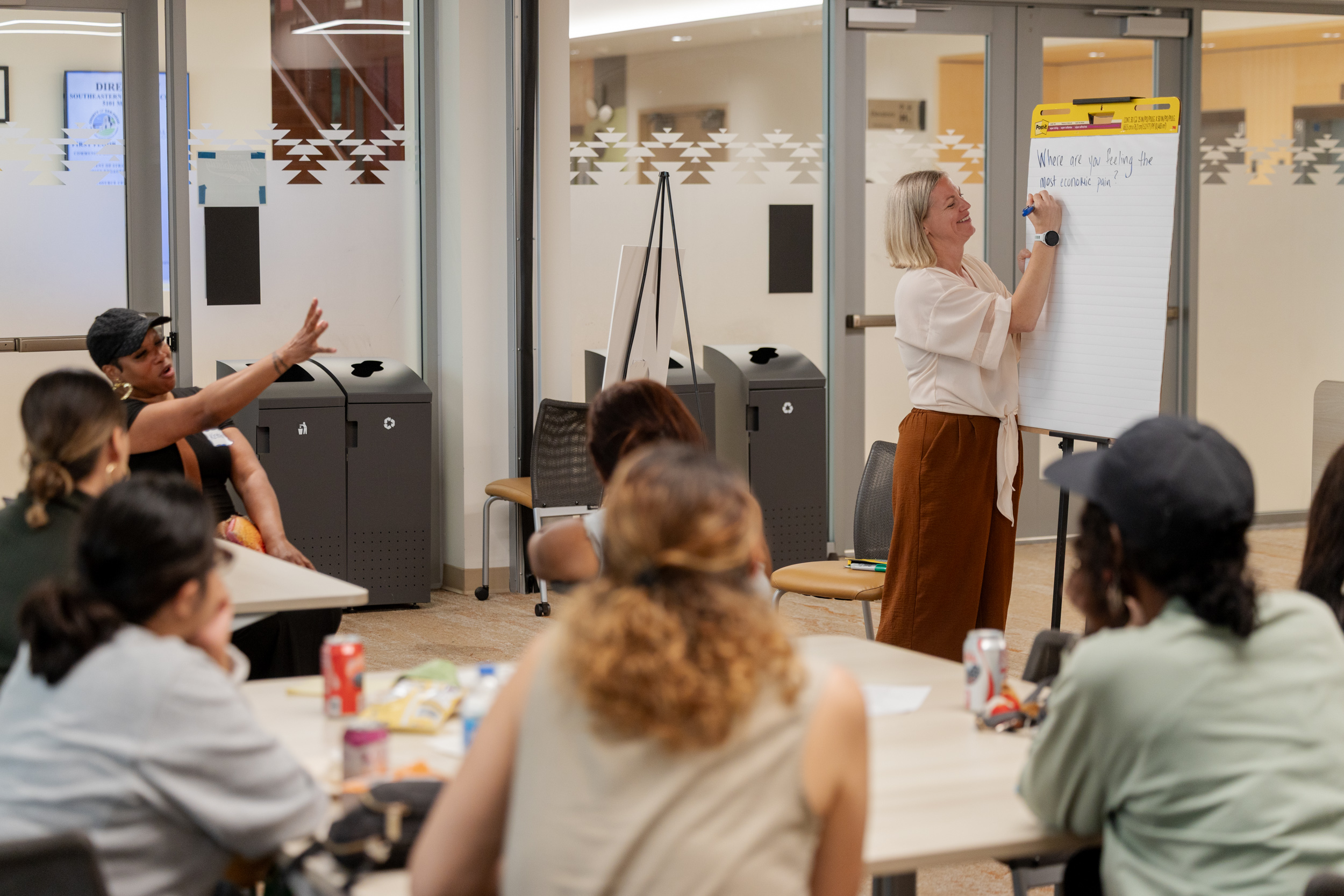

We closed the tour with San Diego for Every Child (SDFEC) in San Diego with working families, caregivers, and parents who came ready to tell the truth about what the cost of living is doing to their lives. Housing, rent, and childcare dominated. Participants described childcare costs that swallow an outsized share of household income, leaving little room to absorb rising groceries and utility bills. Wages are flat but rents continue to rise. And participants named the cause directly: corporate consolidation and a political culture that answers to the wealthy.
Stop letting these billionaires monopolize us. These companies and these corporations merging together and not letting small businesses live… they're going out of business.
participant
My mom then was taking time away from her career… she was out of the workforce for three or four years. She thought that she could retire, but then everything's gotten so much more expensive that she couldn't retire. So now she's back at work. She's about to turn 70.
Shelby, YMCA San Diego
Why We’re Advancing the California Affordability Agenda
Everything we heard from caregivers in Riverside describing utility bills that consume a quarter of their income, to San Diego families for whom childcare is the biggest pain point, to young Angelenos feel a foreclosing on American dream before they hit 30 points to the same set of structural failures: uncompetitive markets, stagnant wages, unchecked corporate power, and public revenue drained through loopholes while families absorb the cost.
For half a century, American families have contorted themselves to make it work. The help from elected officials never seems to come. That is why ESCA developed the California Affordability Agenda — a four-part framework built directly from lived experience:
- Restore competitive markets: Corporate monopolies control prices, wages, and access across the economy. A modern antimonopoly agenda with real enforcement is how we bring costs down.
- Shape tech and AI markets to work for the real economy: Concentrated control over computing power and digital markets reinforces the same broken dynamics that drive unaffordability for families.
- Make corporations pay their fair share: Corporate tax loopholes allow large firms to hide profits offshore and claim preferential breaks — draining the public revenue California needs to invest in its people.
- Deliver cash through stronger tax credits and benefits systems: Too many families qualify for help they never receive because systems are too complicated to navigate. Stronger tax credits, guaranteed income, and simpler benefits delivery raise incomes when costs are high.
The people we met on this tour already know what they need. Our job is to make sure their voices drive an agenda rooted in their lived experience and that will make a difference in their ability to move from surviving to thriving. As one participant so eloquently put it:
“We’re at a point where the affordability crisis is just having us live a life where we’re pretty much just surviving, not thriving.”