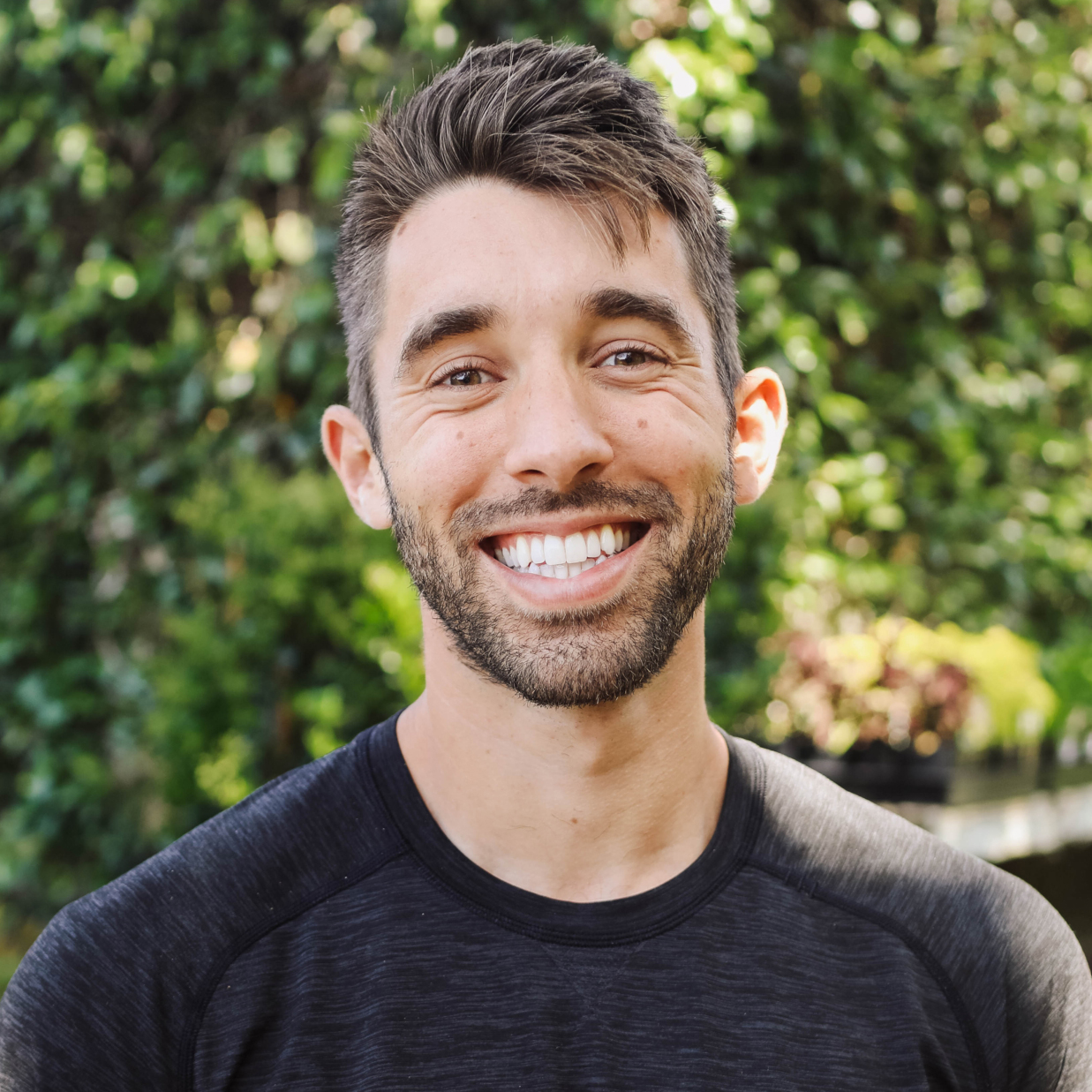
Nick Cutsumpas
Content Creator and Gardener
Update
04. 02. 2026
Our second Economic Futures Cohort brings creators reaching a total 6M+ followers together to connect pocketbook pain to the policies that can help.
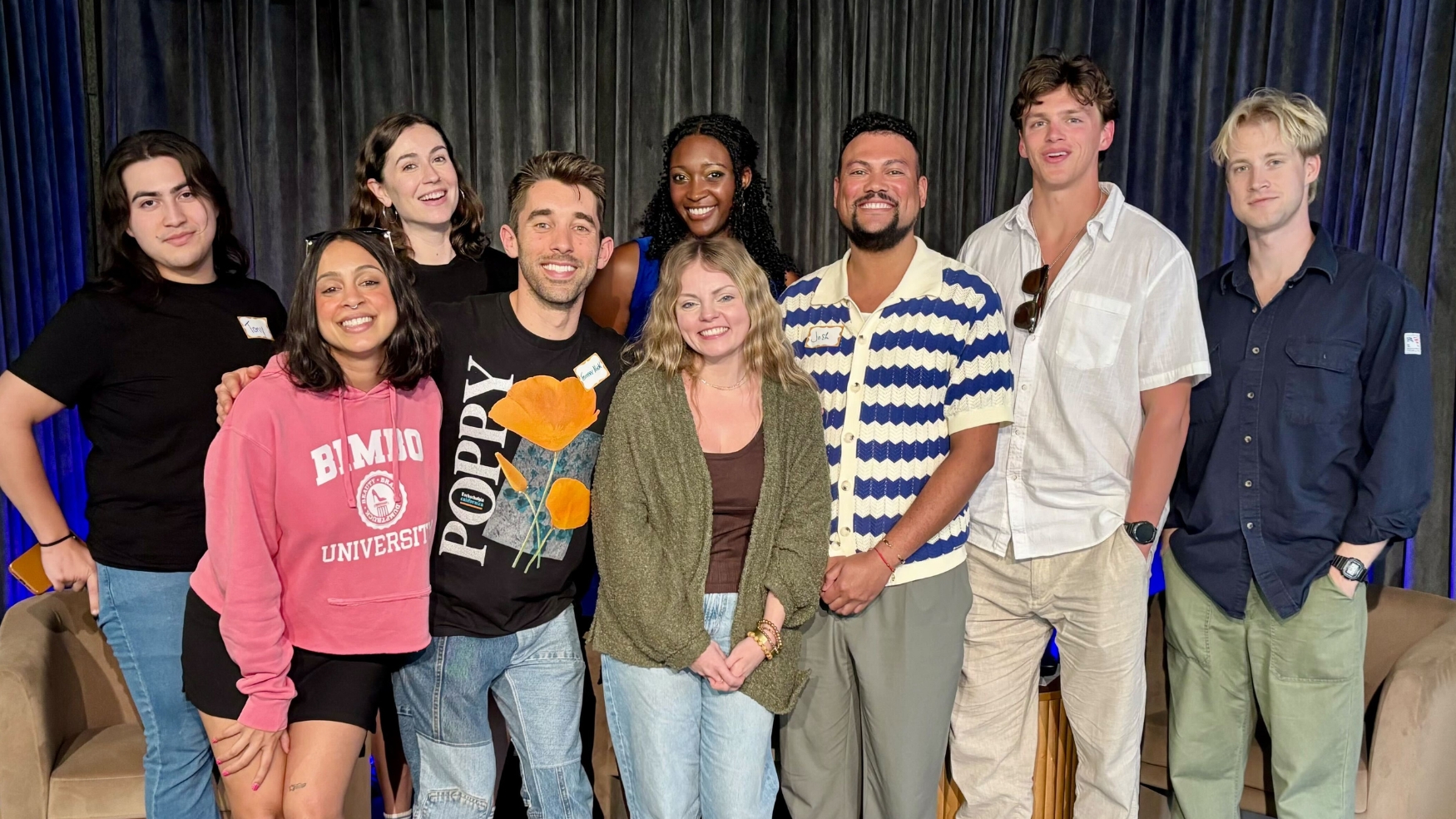
The creators in our new Economic Futures Cohort reach very different audiences, but they all keep hearing the same thing — their followers are exhausted by doom and hungry for someone to tell them what might actually help.
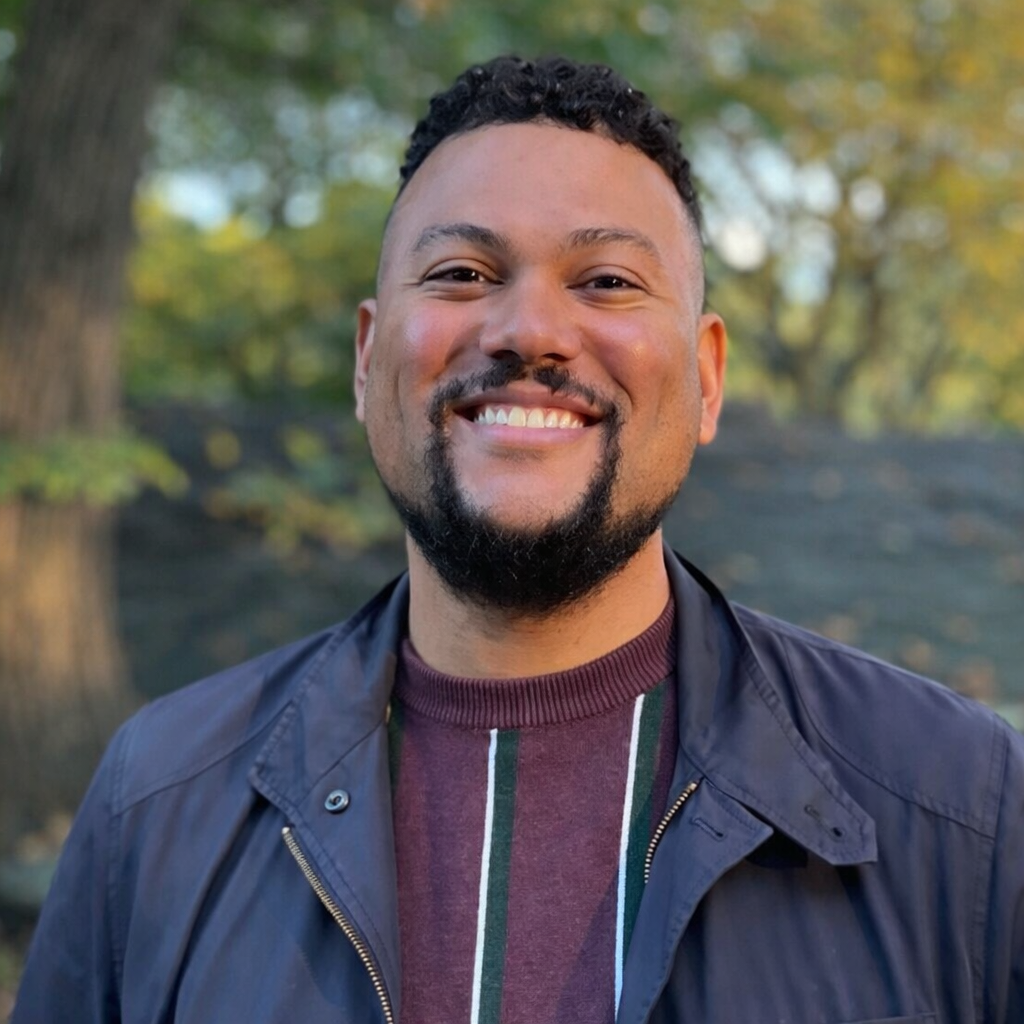
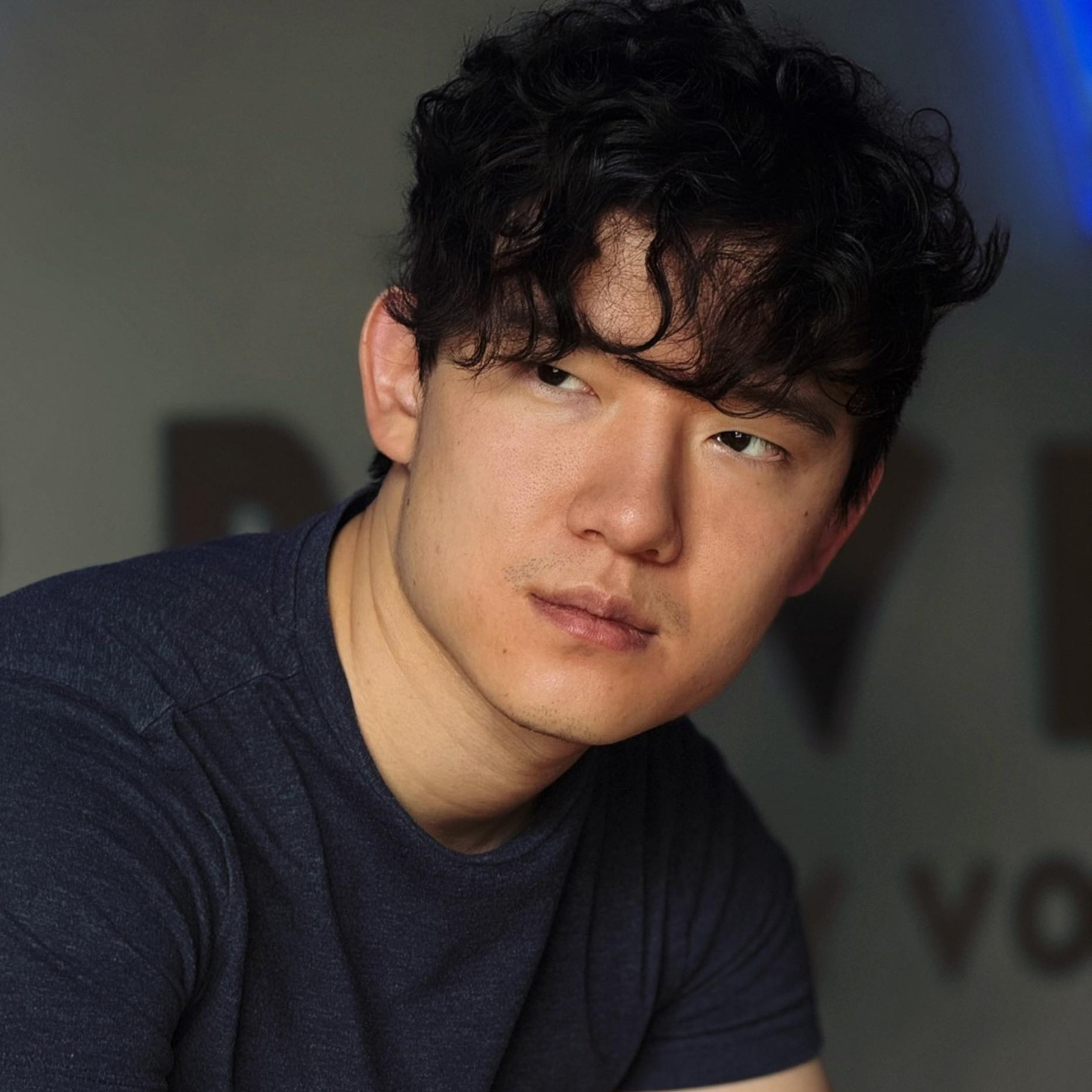
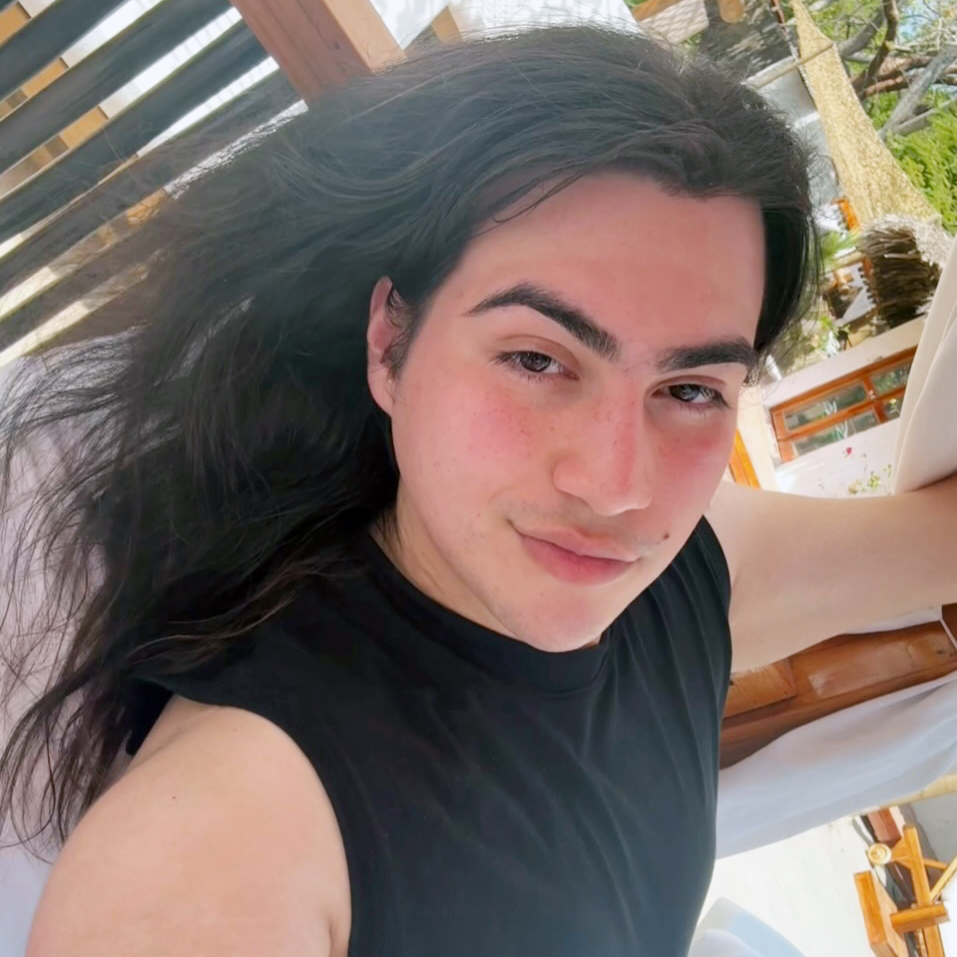
While a few of our fellows had actually met in person before our kick-off event in California last week, many recognized each other from their social feeds and were greeted with smiles and accolades on their latest viral video. We recruited a new group of creators from across the country for our Economic Futures Cohort this year, each reaching a different audience with a distinct voice, and every one of them ready to dive deep to understand the affordability crisis. With a combined audience of over 6 million followers, these fellows will receive a monthly stipend to attend monthly briefings, workshop ideas together, and make content for their audiences on the policy ideas that can help young people see a place for themselves in our economy.
When we went around the table to talk about each of their audiences, and why people are coming to them for content, one theme quickly emerged: young people are craving hope. Some of our creators address this by making clever history explainers, offering the hope that we have gotten through tough times in the past so we can do it again. Some are using comedy to break through the cynicism by imagining a world that actually works. Others are using pop culture as a doorway to imagining those futures and still others are trying their best to point to solutions where they exist. Multiple people used the word “hopecore” to describe their content: deliberately uplifting and combating the crisis fatigue we so often experience online these days.
This is in keeping with what we know about the young and economically anxious audience we are trying to reach with the content our fellows will be making this year. This cross partisan group of Americans share three very important characteristics: they are one $400 emergency away from financial ruin, they believe the government isn’t doing enough to help them, and most importantly for our work, they believe that the government could do more. While they have extremely anti-establishment tendencies, in part due to coming of age through a pandemic, they are young not only in their age but in their optimism. The urgency to reach these young folks with messages of hope, connecting their pocketbook pain with the economic policies that can help them, has never been greater.
Last year, we launched The Economic Futures Cohort, a new fellowship program focused on doing just that: reaching new audiences by cultivating the next generation of civic storytellers around economic issues. Our first cohort of content creators worked together over seven months to better understand how economic issues resonate with their audiences, and educate them on both the problems and the policy solutions. Breaking from the top-down, know-it-all, poll-tested ways that prevented many in our ecosystem from reaching people with a real story of how the economy feels, paid off. We learned how to resource creators with what they need to make confident and compelling content, and trust them to message our issues in the best possible way to their own audiences. The editorial support, monthly payments, fact checking, access to experts and polling was all very welcomed by our creators, but what we didn’t expect was how cherished the peer camaraderie was; providing these creators, who generally work in isolation, with a place to brainstorm, bounce ideas around, and share the energy of a modern day newsroom.
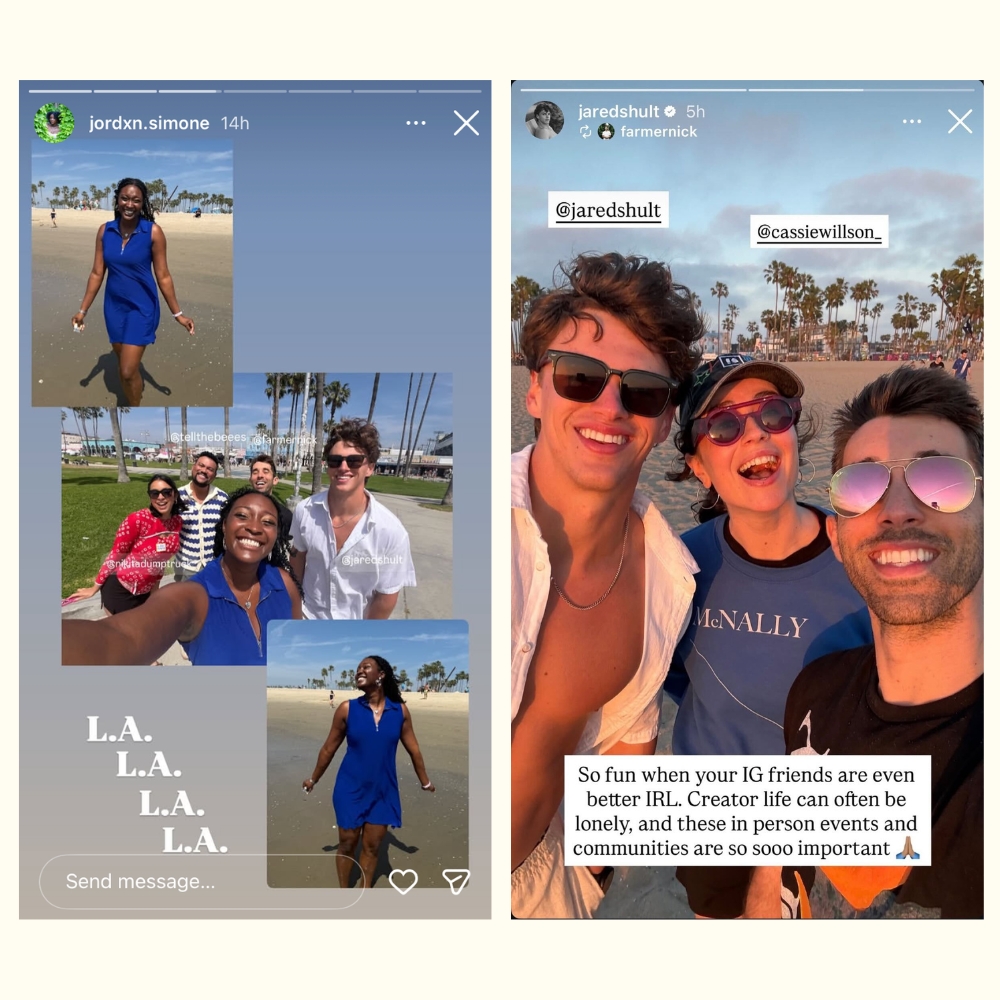
This year we kicked the program off with an in person event, to learn about our Affordability Framework, share content ideas and bond face to face. It didn’t hurt that we were a few blocks from the beach in Venice, and the cohort all walked down to the ocean on the lunch hour to take photos because one thing about these creators is that they are always working. The algorithms, especially TikTok, demand a certain rate of content to stay in good standing. While being an independent contractor is sure to have its benefits, the hustle and the health insurance costs are anything but fun. Monthly premiums for creators who are on the Affordable Care Act recently skyrocketed to over two times what they were paying last year, and many of our fellows are still facing an uphill battle to get paid fairly for the content they make. Last year we got feedback that the monthly stipends and longer term contract the fellowship provides are both rare and helpful in providing some stability in a wildly unpredictable economy.
The creators aren’t the only ones searching for stability among the uncertainty. With rent prices outpacing wage growth for the last two decades, entry level jobs becoming harder to find, and basics like utilities and groceries continuing to rise, Gen Z is in the crosshairs of the affordability crisis. The fellows all agreed that things like surging utility bills resonated with people across political ideology. They were all interested in covering issues that could reach broad audiences, as well as learning more about policy solutions that could deliver relief. We talked about how direct cash policies could help relieve the acute short-term economic pain, while longer-term projects, like reinvigorating our antitrust law to uphold workers’ rights and mitigate monopoly harm. We reached back into history to talk about the anniversary of the polio vaccine, which, as our historian Nikita reminded us, eradicated the disease. It was effective not just because it was a revolutionary medicine, but also because the doctor who discovered it refused to patent his invention, instead choosing public health over profits. When the conversation turned to groceries, Nick shared that he had recently used the example of the $3 meal to challenge our notions of affordable eating, while Jared shared that he felt guilty at the supermarket for looking at food that was out of his budget, when in reality, no one should feel guilty about just trying to feed themselves. Cassie perhaps captured the mood best in a video she made right after our heated conversation, where she talked about the experience of being working class in America right now: being squeezed for every single dollar you have, at every turn, only to see those at the top laughing as they rake in profits.
We now have clear evidence that more exposure to progressive social media content leads audiences to adopt more liberal policy positions around election time. Specifically, new research shows that creators who are mostly apolitical have higher trust with their audiences and are more effective at swaying viewers when they do talk about politics. With this in mind, we recruited for our cohort across different niches closer to the top of the funnels of interest. We deliberately broadened the bench to include voices from comedy, fitness, climate, even a culture critique to try and connect on popular issues as a gateway to understanding the economic forces behind their interests and lives.
A core part of this program is trusting the creators to know how best to message to their own audiences, leaning into their trust, expertise, and authenticity. It was clear from our first meeting that the trust is well placed: these creators care deeply about their audiences as well as the accuracy and quality of content they deliver. Last year, we learned so much from our fellows. We learned that groceries, healthcare, and utility costs are hitting young people hard. We learned that young people feel as if they’ve been gaslit by the promise of the American dream, and we learned that while everyone is very ready and willing to blame both big corporations and billionaires for their pain, we need more legible policy pathways to channel that anger into action. We are so lucky to be working with these brilliant fellows, and we hope you’ll follow along as we work to capture the attention and imagination of those who have been pushed out and pave a path towards a new economy that works for all of us.
Content Creator and Gardener
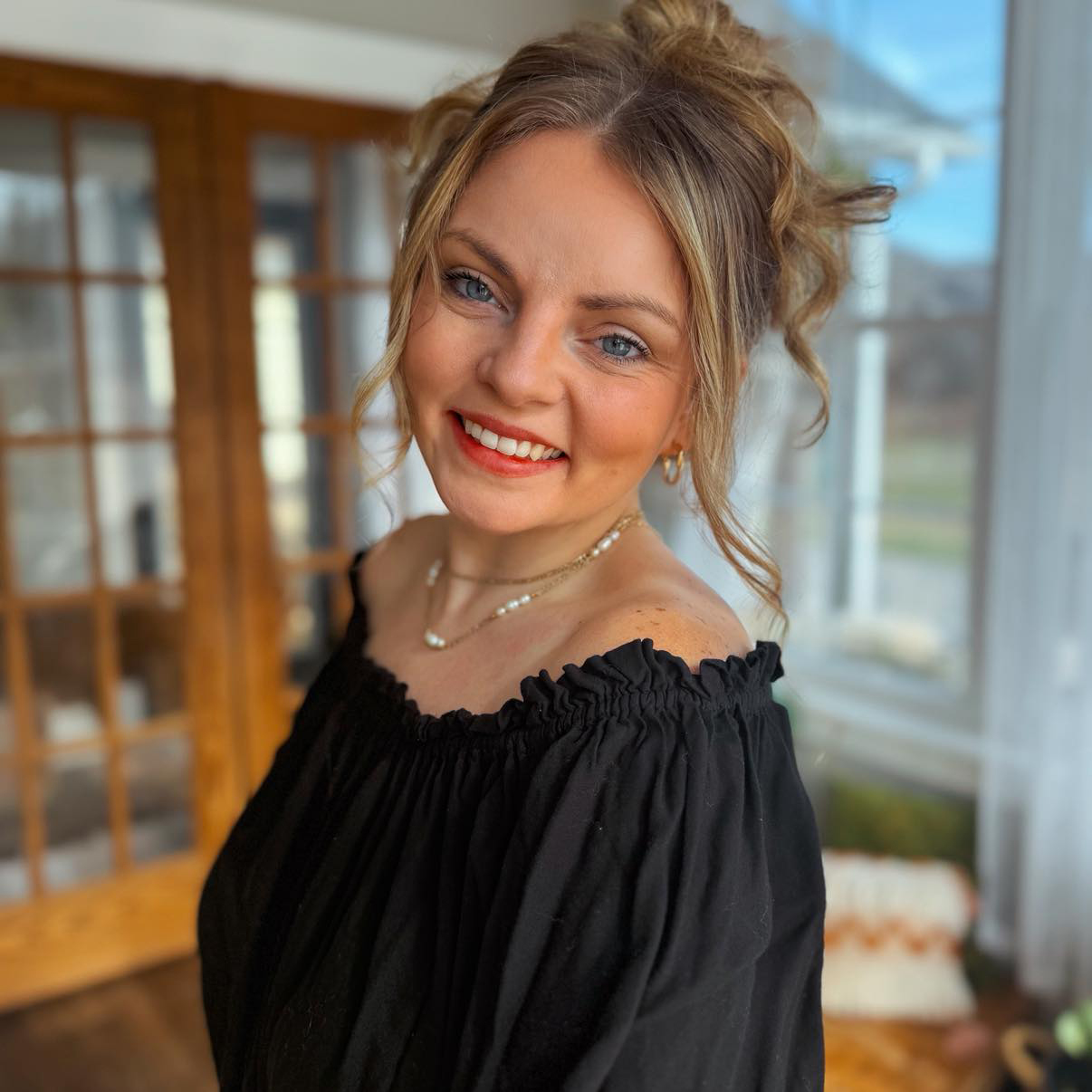
Mother, Farmer, and Advocate
Sociologist
Content Creator

Writer and human rights advocate

Content Creator

Content Creator

Mother, Poet, and Advocate
Content Creator

Comedian and Content Creator